Generadron: express radiographs from the air for wind farms

Until recently, data collection to check the condition of the blades in the wind farms was a worrying moment for the personnel of these facilities. They had to stop the generators, with the possible risks, take numerous safety measures and lose, above all, an important time that had an impact on the profitability of the park. But an idea has emerged from Galicia that, for now, is offering hopeful results. This is Generadron, an initiative of the Aeromedia company, based in Oleiros, which has been selected by the Galician Innovation Agency (GAIN) of the Xunta de Galicia to participate in the BFAero accelerator, pioneer in the aerospace sector.

Carlos de la Rocha, project manager and one of the founding partners of Aeromedia, explains that their idea arose when he detected these needs for companies in the sector. “Due to our experience with laser and optical sensors, together with that of specialist companies, the situation led us to develop and test new systems,” he summarizes.

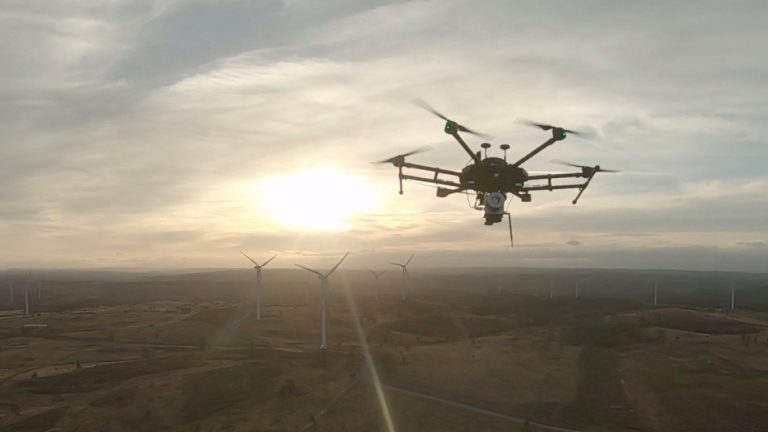
Thus, the first steps of Generadron emerged, which consists “basically in the realization of images to give rise to a kind of ‘sewing‘ of very high definition photographs and identify the blade with a drone, equipped with precision lasers that automates these inspections. And, at the same time, it measures distances, revolutions and angles”, adds De la Rocha.

Thus, this technology allows to obtain an x-ray of the blades while the mills are still moving, oblivious to the measurements. “This is already possible thanks to the evolution of hardware and software and Aeromedia’s experience in the use and integration of different sensors, so with this we compose a panoramic image of each of the blades”, adds the head of the company.

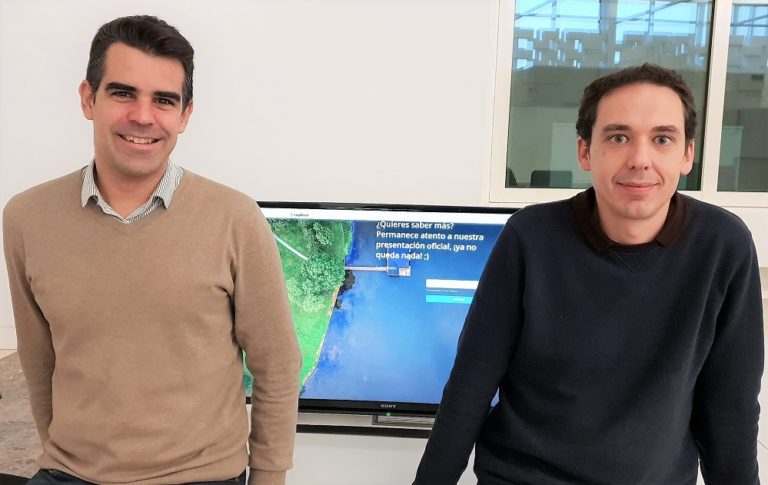
Carlos de la Rocha e Aquilino Abeal, fundadores de Aeromedia.
Carlos de la Rocha and Aquilino Abeal, founders of Aeromedia.

To achieve this, the system follows five steps: the capture, based on a series of images already correlated and ordered through the flight plan and the various positions; the spatial correspondence, with which the relationship between the coordinates of each pixel in an image and in the consecutive one is established; the alignment, with which the alignment parameters to be applied between pairs of images are determined; the descriptors, with the global extraction and contrast to find possible overlaps and profile the panorama; and, finally, the composition, with the transformation of perspective, location, fusion and minor corrections, such as movement, and variations in exposure.

The improvements for the sector

For the sector, “this system solves the problem, since it allows the collection of data from more than twice as many wind turbines and everything is documented,” says Carlos de lana Rocha. In this way, Generadron facilitates aspects such as “the collection of data without the need for keys or other actions on the generator”, does not subject the owners and operators of the park to be pending to program the stops of the wind turbines, it offers greater security in data collection when working remotely and lowering costs, since instead of inspecting five or six generators in one day, more than double data can be taken”.

The future of Generadron

In a sector where technology is progressing at a great speed, Aeromedia is already working on the improvement and updating of the Generadron project. “In later versions, and once the complete system was verified, we would consider producing and registering (at least as a utility model) a hardware composed of a drone integrated with the PnP (Plug-and-Play) optical sensors, and on the other hand , we are studying if there is any patent registered with a similar system”, they advance from the company.

For Carlos de la Rocha, the momentum that the unmanned aeronautics sector in Galicia is taking in recent years is an example, “possibly leading the sector in Spain”. It concludes that “this whole culture of innovation has undoubtedly attracted Galicia not only to drone operators, but also to software developers, specialists in related sectors, sensor manufacturers and other companies that contribute their knowledge, thus creating a ecosystem for the development of a single sector in Spain and possibly in Europe”.

From the sea to your mouth: shark teeth for bone regeneration

Vigo‘s port is one of the most relevant in the world for fishing industry. One of the peculiarities of this place is its importance in the field of marketing species such as shark. Although the catch volume has declined in recent years, Berbés market last year auctioned a total of 1,757 tons. Although part of this amount is discarded, some find a way to take advantage of different shark’s species.

Researchers from the New Materials group of the University of Vigo have been working for years on the recovery of discards and by-products from fishing, specifically from a relatively “small” and hidden part of the animal: its teeth.

Why the shark teeth?

Pío González, one of the main researchers of the Biofast project (Bio Fluor Apatite Shark Teeth), explains the advantages of shark teeth (specifically blue shark and shortfin mako shark). The physicochemical characteristics and composition of this biomaterial make it optimal for bone grafting.

Unlike synthetic materials, or other animals, the shark tooth contains a significant percentage of fluoride, phosphorus and calcium, as well as other minor components such as potassium, magnesium and strontium.

“Synthetic materials do not have the properties that these elements provide,” researcher says: “And the implants of other animals, such as cow or pig, can transmit some diseases that the shark, being a maritime species, does not have”.

The elaboration process

“When due to some pathology, such as cancer or trauma, a loss of bone material occurs, it does not regenerate; it does not cover the entire cavity again,”, explains González. In addition, González points out that, due to population aging, bone regeneration products are increasingly necessary.

Currently, the material manufacturing process is optimized for simple industrialization. Once removed, the teeth undergo a basic wash; then the grinding process is carried out, then the piece is subjected to high temperatures with a specific heating ramp.

The researcher explains that during this process all the organic parts are eliminated; only the mineral elements remain: “Then you get a fraction, a granulate, which is the product of interest to dentists, for example, when they need to fill a bone cavity for the regeneration of the jaw”.

González clarifies that the final product is not an implant itself, but a granulate that prepares the soil for it. He returns to the example of dentistry: “A previous operation is done where the gum is opened; the filling is placed and a few months are expected, so that the gum has enough bone material to add a dental implant ”.

The future and the transmission to the market

“Participating in IGNICIA was a new vision of our work; we are researchers, the issue of the market escapes us. ”This qualitative leap was a source of funding and supervision by specific personnel in the business field:“ In this way we can explore how far this product reaches the market”.

A project for the future could be to obtain articles derived from this first product, as variants in the aspect of the presentation, or towards the field of personalized medicine.

The next step is the signing of a contract to finally achieve the objective of the project:  transmission of research results to the market. In this sense, the researcher affirms that there are already interested companies and that negotiations are already underway to begin the final stage.

Lupeon, flying high in 3D from Galicia

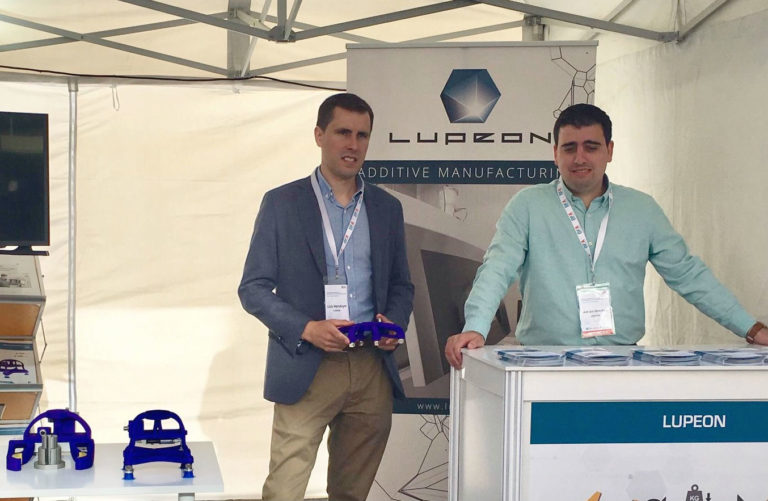
In December 2018, Lume-1 satellite, developed by Galician company Alén Space, was launched to space from the Vostochny Cosmodrome, powered by a Soyuz rocket. This device has the dimensions of a small box, and barely weighs two kilograms, but dozens of experts from many sectors collaborated in its development. Among the pieces that made it possible for everything to work perfectly, there were cylinders of just 2 millimeters long manufactured by Lupeon, a project born in 2013 by Luis Mandayo and Adrián Sánchez, young engineers from Ordes, a Galicia village, who had finished its studies and decided to bet on additive manufacturing in 3D.

“For us, it is an honor to be able to say that our work is going around the space,” explains Luis Mandayo, general director of the company. Remember that “Alén Space contacted us because they needed to manufacture pieces of small dimensions and complex geometry, which were not possible to manufacture using conventional technologies, and after studying the case we found a solution through our laser additive manufacturing technologies”.

It was one of the many milestones that Lupeon has overcome in recent years, after embarking on one of the worst moments of the crisis. “We moved from Ordes to Nigrán, where we have facilities that allow us to have industrial 3D printers for both metallic and plastic materials,” says Mandayo. In addition, he joined Vicalsa, a group based in Vigo and specialized in the construction and repair of the naval sector, and opened a commercial office in Madrid. “We also grow in team and in number of industrial customers, being suppliers of several multinationals”, completes the director of the company.

And in May of this year, months after Lupeon had put his first pieces in orbit, the news came that they were one of the companies selected in the BFAero accelerator, which emerged under the Civil UAVs Initiative program of the Axencia Galega of Innovation (GAIN). This line of projects aims at the growth of innovative companies in the aeronautical sector in Galicia, with the support of industry leaders such as Indra and Babcock. At this time, they also participated in other accelerators such as BFA, also driven by the GAIN, but focused on the automotive sector, where they developed robotic claws.

Lupeon’s work in BFAero will be based in design and topological optimization of structural parts of unmanned aerial vehicles, as well as the additive manufacturing of these parts in plastic or metal composites in order to reduce the weight of these vehicles and thus achieve greater autonomy of flight. As Luis Mandayo exposes, the design and production from three-dimensional printing offers important advantages, such as “being able to manufacture different parts in such a way that they are lighter than those they manufacture today in a conventional way”. This meant, according to Mandayo, “an important step further to learn more about the needs that we can cover in the aeronautical sector.”

To obtain these and other products, Lupeon uses several technologies, both in manufacturing on demand and in series, and materials, such as plastic and metallic powder with various alloys, high precision resins or carbon fiber. Thus, the idea of ​​additive manufacturing provides very interesting advantages when it comes to industrial repair. For example, from taking of measurements or the 3D scanning of certain pieces, they can create a virtual warehouse of spare parts so that, within the possible case of a breakage or breakdown, the same piece can be manufactured in a short period of time.

Nanovehicles who can beat cancer

In the field of the fight against cancer, different branches of innovation that seek alternative solutions arise. Personalized medicine is an example of this; it consists of adapting medical treatment to the individual characteristics of each patient.

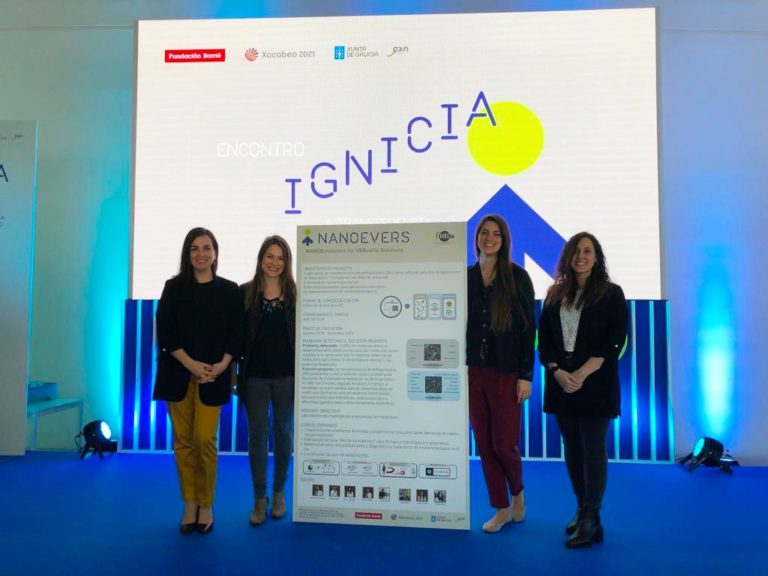
In 2013, the project “Nanoevers, solutions for personalized medicine”, from the Institute of Sanitary Research (IDIS) of Santiago de Compostela, arose under this prism. It is the result of a team of researchers led by Dr. María de la Fuente Freire, and formed by Rafael López López, Abi Judit Vázquez Ríos, Ana Belén Dávila Ibañez and Gloria García López.

Nanosystems as an application of personalized medicine

The laboratory is developing its own technology: a new type of very biocompatible and versatile nanosystems, which make it possible to associate different types of therapeutic molecules and act as a vehicle for drugs. In addition, the materials they use are cheap, safe and easy to produce, so they can be adapted to the industrialisation process.

According to de la Fuente, there are currently very potent molecules such as peptides, proteins and nucleic acids that cannot be administered alone because they would not be effective. “Nanoevers offers an opportunity to all these molecules that need a vehicle to be transferred to the clinic”, explains the doctor.

“Nanoevers offers an opportunity to all these molecules that need a vehicle to be transferred to the clinic”

The nanosystems allow the drugs to reach their place of maximum effectiveness: “We are betting on new, more efficient therapies based on non-conventional molecules”. The team had a very clear roadmap: to work for translation, so that either their project would have application for the ultimate benefit of the patients.

Triple application

Some research groups or pharmacists have therapeutic molecules with a lot of potential, but there are factors that limit their translation. In this sense, Nanoevers seeks to offer on-demand solutions that cover this type of problem, providing these molecules with a vehicle that facilitates their assimilation.

In order to extend this technology to research laboratories, previously defined nanodelivery kits with packaged products are launched. In this way, laboratories or pharmaceutical companies that want to test the technology can do so without the need for interaction; simply by acquiring a kit and applying it on their own.

Together with these two goals, there is a long-term goal related to R&D&I: the development of nanomedicines towards clinical application for the resolution of needs that are not covered. “Right now we are doing solid and strong proofs of concept in preclinical models, but to really get to the clinic you have to go into regulatory and statistical issues,” explains de la Fuente.

Participation in the IGNICIA call

In March of this year, the project obtained 500.000 euros in funding from the Ignicia programme of the Galician Innovation Agency (GAIN), whose objective is to support the transfer of research generated in research centres to the market.

De la Fuente defines participation in the call as “key” to promote the translation of its technology to the purchased one: “Participating meant a change of important perspective and the beginning of a more product-oriented way of working, as well as the incorporation of more professional and experienced human resources”.

Collaboration makes it possible to cover a series of needs that, in the doctor’s words, would otherwise be impossible, such as patentability and regulatory studies. The doctor explains that there are no other calls that support this type of studies, and it is key to cover these needs in order to achieve its objective: to transfer the technology to market so that society can benefit from the research generated around it.

Hydroponics: sustainable growing to look into the future

Water is a resource that is almost as scarce as it is necessary; not only in terms of hydration and health, but also for socio-economic and energy development, as well as for food production. In relation to the latter, the Food and Agriculture Organization of the United Nations (FAO) states that 70% of the world’s water extraction is destined for agricultural production. In a report issued by this entity, it is explained that agriculture is the largest producer of wastewater, as it emits large quantities of agrochemicals, organic matter and sediments.

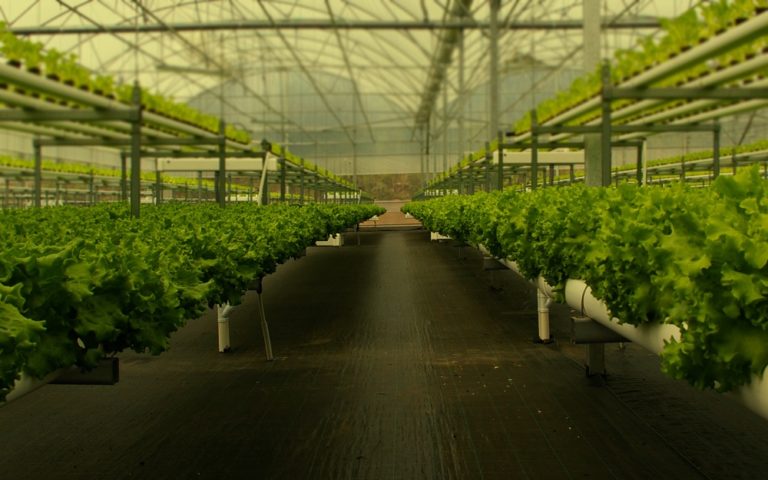
This paradigm gives rise to initiatives that seek responsible consumption of water resources in agricultural production, as well as solving other problems that may present traditional crops. A clear example is hydroponics, a cultivation technique that basically consists of substituting agricultural soil with mineral solutions.

Hydroponics is a cultivation system based on the substitution of agricultural soil by mineral solutions

In 2014, Salvador Ruiz worked in America developing hydroponic systems all over the world. In one of his searches for new clients he came to Spain, where he met Rafa Pereira, an entrepreneur who worked with homemade hydroponic systems in the Vigo area. Speaking, as Salvador explains, “of their ideas and concerns”, they decide to create their own company in this sector: H2hydroponics, which is formally established in 2015.

The development of H2hydroponics

In June of the same year they would build a 250m² research centre on the Porto do Molle industrial estate (Nigrán, Pontevedra), consisting of a high-tech greenhouse. In September of the same year, it would launch the NFT tube system, which would become, according to Salvador, one of its star products, thanks to the reliability of its extension over time.

A curious fact is the expansion of the business activity, since where before it went abroad. “Spain is an agricultural power, and the traditional system is deeply rooted”, explains the founding partner. So they started the house on the roof: the company quickly made a name for itself on the international market, exporting to a total of 19 countries.

The role of environmental awareness

However, the growing wave of environmental awareness, as well as limitations in the use of water, led the company to begin to expand its activity in Spain as well. “Hydroponic agriculture can reduce water consumption by 90 to 95%“, explains Salvador.

“People are becoming increasingly aware not only of reducing pollution or water consumption, but also of eating healthy”. Because in addition to reducing water costs, this system also minimizes waste emissions and electricity consumption. In this sense, the expansion of the company throughout the national territory came hand in hand with the progressive evolution of the thinking of society.

Ice and fire: from Greenland to Dubai

H2hydroponics is a company that makes no distinctions of activity or size. “We work as much with enthusiastic people, people who have just started and small producers as with large companies,” says Salvador.

But there are two concrete projects that stand out from the rest for their success, two sides of the same coin that solve problems where they are. Salvador also explains that his goal is to ensure that all products meet a series of requirements that make them suitable for commercial activity.

The founding member states that the very low temperatures on the frozen island of Greenland (which can reach 20 or 30ºC below zero) make the traditional cultivation of some vegetable products totally difficult.

However, some shelves with a hydroponic production system fitted out inside a warehouse in a building are sufficient to obtain fresh leafy vegetables. The gratitude of their customers can be seen in the deal: “When we go to a restaurant, for example, we sit at the table of honor”.

In Dubai, on the other hand, the opposite is true. Temperatures are so high that it is difficult to consume products that cannot withstand several days: “Temperatures sometimes reach 50ºC; too hot for some elements”. However, the systems that the company has installed in greenhouses make it possible to reduce the temperature to around 30ºC, which is already reasonable for vegetable crops.

The advantages of hydroponic agriculture

When talking about figures and in terms of profitability, Salvador states that with hydroponic cultivation is obtained 4 or 5 times more production than with traditional. This is due, in part, to the fact that it is possible to carry out a greater number of cycles, since the crops are not subject to the vicissitudes of the meteorological conditions.

“With the hydroponic crop you get 4 or 5 times more production than with the traditional”

The founding partner refers to the concept of “plant factory” in terms of methodology: what is sought, and which is also possible due to the independence of the meteorological factor, is a uniform production.

As far as the vision of the future is concerned, the main challenge is to extend and consolidate their presence in the Spanish market. The objective is to guarantee the availability of resources for the next generations, to reduce pollution and to move towards healthy eating, hand in hand with quality vegetables.

“Agriculture is a sector that lags far behind other industries, which also gives it enormous potential to test new concepts,” says Salvador. None of the partners are afraid of new challenges; in fact, this Thursday, June 27, they will travel to Paris. Why? Evaluating a building for the creation of a hydroponic farm.

A mobile application for punching in at work

According to the National Statistics Institute (INE), in the last quarter of 2018 there were a total of 6,435 overtime hours performed in the week by the set of salaried workers. As a measure to regulate overtime, on May 12 of this same year the mandatory daily record of the working day came into force, which must include its specific start and end time.

The execution of this procedure can be a puzzle for companies and employees: Excel sheets, printed papers to cover every day and sometimes forgotten, machines that create annoying queues… And against this background arise innovative alternatives linked to new technologies, which seek to facilitate compliance with the new regulations.

The smartphone as a tool

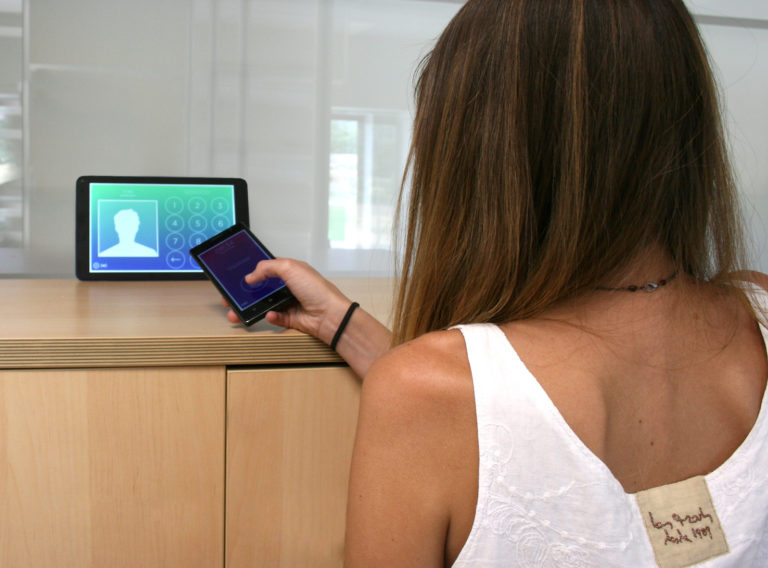
A technological company Primux, of the Technological Park of Galicia (Ourense), launched to the market a mobile application that allows employees to sign with their device. Toni Alvar, the person in charge of R+D+i, explains that they had been working on this project for years, and the approval of the regulations was the ideal scenario for its exit.

The use of the smartphone is extended by practically all the population; the application was designed based on the study of the use that is made of these devices. Through a simple and intuitive design, Primux proposes this option of signing through the smartphone as the most easily integrated into the routine of employees and the operations of companies.

How does the application work?

The punching system consists of three related applications. One part is in charge of the administrative aspect, such as the management of vacations; another acts as a switchboard, so that it allows manual punching; and finally there is the mobile application for employees.

The difference between the Primux app and other market alteratives is that it works only in person; the employee must be at least 5 meters from his place of work to be able to sign, so as to guarantee his presence in the place. In addition, it has a platform that allows the administrator to easily filter data by employee, export reports and edit transfers, among other features.

The operation of the application.

Who can use it?

Although any business model is adaptable, this application is especially designed, explains Alvar, for small and medium enterprises: “The use is very simple and costs less than 20€, both the creation of users and management are free, so it is available to anyone”.

The system costs less than 20€; user creation and management is free

This formula avoids crowding and the memorization or misplacement of employee registration codes. “There are small businesses that need a simple punching application, without resorting to the typical Excel sheet,” explains Alvar: “We manufacture mobile technology to try to help people”.

The app is now available for Android and iOS on Google Play and the Apple Store, as well as on the Primux website in this link.

Pumpkin sponges: how to save plastic in your daily habits

Plastic has flooded our lives, it’s obvious. It appears in food packagings, cosmetic products, clothes or building materials, among other areas. According to Greenpeace figures, the estimate is that by 2020, consumption will rise to 500 million tonnes a year, 900% more than in 1980.

Faced with this paradigm, new substitute products emerge, made with alternative materials to plastic that are less (or even nothing) harmful to the environment. Under this premise Ibérica de Esponjas Vegetales was born in 2013, directed by forest technician Juan Carlos Mascato.

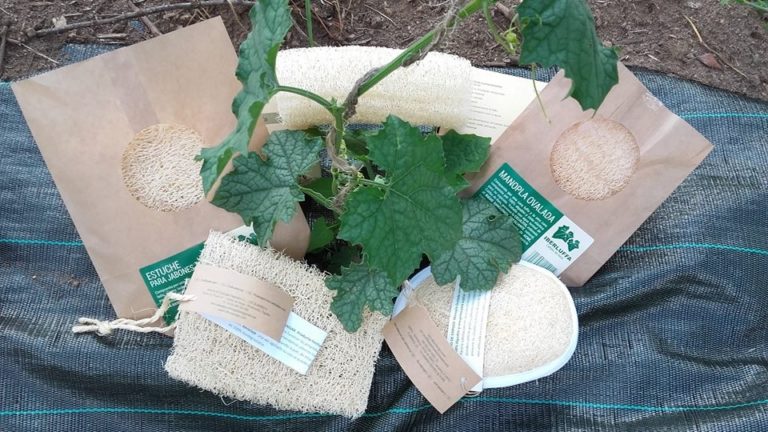
This is a pioneering agroforestry company in the growing of pumpkin sponges for cosmetic use, based in Caldas de Reis (Pontevedra), which was born as a search for alternatives to other agricultural systems in Galicia. It uses a raw material that replaces synthetic products: the luffa, a kind of pumpkin belonging to the Cucurbitaceae family.

The elaboration of the genetic base

In order to adapt it to market’s needs, it was necessary to develop, by genetic selection, a plant with softer fibers and standard sizes, so that they would allow certain logistics. “Explained in a simple way, the genetic base of the plant and its crosses are selected and then the product is developed”, explains Juan Carlos.

Different fibre intensities are obtained through this process. There is even a “super soft fibre”, specific for sensitive skins or those with some type of disease. This work of elaboration of the genetic base is key, since it is the differentiation point of Ibérica de Esponjas Vegetales.

Juan Carlos says that this Cucurbitaceae plant with cross-pollination is a very complex species and is the basis of the whole company: “Without the plant there is no product, so we have to take care of it”. Although they have a very powerful seed bank, every year it is necessary to carry out the whole process of development and stabilisation of new species and variants, a task which is carried out by two people.

Due to the complexity of this process, Mascato explains that they introduced a change in the business structure; in Galicia the genetic base is carried out while the crops are in Portugal: “We cannot devote ourselves directly to the crop because it is protocolised, so we decided to develop the cultivation systems so that they would be independent”. In this way, the company subcontracts crops, implements its own protocol and monitors the plots.

Reducing plastic consumption at home: luffa scouring pads

This year, after three of development, the company has achieved one of its greatest goals of its entire trajectory: the “very powerful” world patent for the compostable kitchen pad, made with a more resistant and elastic fibre. Moscato defines it as “an absolute milestone, possibly one of the most important products that have existed in Europe in recent years”.

“The compostable kitchen scouring pad is probably one of the most important products in Europe in recent years”

This alternative solves important problems of pollution with microplastics at home, and, in addition, Mascato affirms that it is the only possible solution on a large scale on a material level: “All European homes have a scouring pad in the kitchen; in 2022 EU wants to ban synthetics, and the only way to do it is with our fibre”.

The raw material they work with is 100% biodegradable and does not cause pollution during processing. To generate kitchen scouring pads, energy consumption is zero, while “cellulose scouring pads, which come from a chemical company that decomposes wood, come from an extremely polluting process,” explains Juan Carlos.

Benefits for the environment

The company had a clear roadmap from the zero minute: a business model with sustainable crops, non-polluting production processes and 100% natural products. This combination of factors is the key to the company’s profitability and success, which is the differentiation of its merchandise through social responsibility.

By not using any type of chemical product, the environmental impact is zero; moreover, the raw material used is compostable, which means that the life cycle of the sponge is closed when it returns to the soil in the form of fertilizer, so that it does not produce waste or leave any trace in nature.

With the elaboration of these vegetable products thousands of tons of plastic residues are avoided

“If we talk about tons of plastic waste that we eliminate with this activity, the figure rises to thousands,” says Juan Carlos: “There is no marine pollution, nor drinking water. A water treatment plant does not filter out the microscopic polymers left by the classic yellow synthetic scrubbers, nor the silicone microplastic that carries common cosmetics; all this goes to the water tap”.

Right now, the company has 50,000 plants in production between Spain and Portugal. Recently, Mascato has acquired a company in Colombia with the aim of expanding its product in the American and Canadian markets. Currently, they are already consolidated in Europe and Australia; the next targets are China and Russia.

The dangers of USB are real, but this Galician company can protect you

All of us have done that sometimes. Even if the computer notices that the device must be removed safely, we disconnect the USB input without cautions to save time. Almost never happens, but when we talk about other environments, or large-scale projects, it can cost us great displeasure. Months of work and very valuable information goes directly to the trash, with no possibility of recovering it. And that is something that many professionals can not afford.

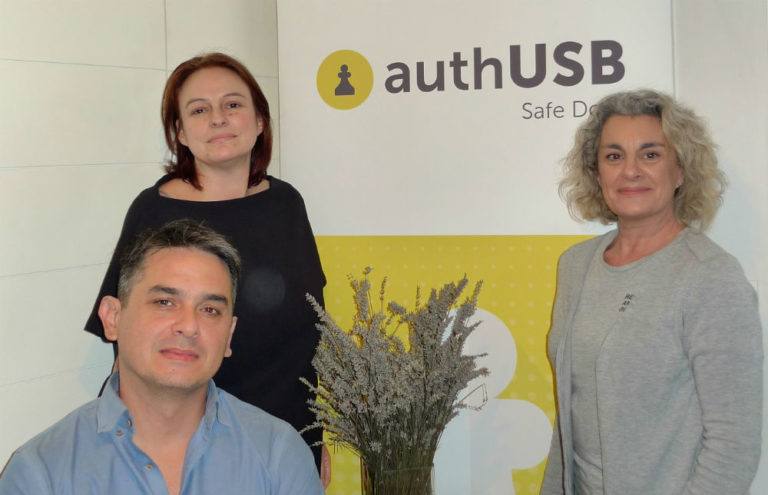
After years of experience in large companies from different sectors, Jorge Vega, Estefanía Soto and María Cobas came together to make authUSB a reality, a spin-off that is now a consolidated project with a great future ahead of it. “The idea arose in response to the need of a customer in a critical industrial sector to make the entries of physical external storage devices more secure, something simple and complicated at the same time, since traditional media, such as antivirus, only protect against malware”, explain Vega, Soto and Cobas.

The idea of ​​authUSB has received an important boost in the fifth edition of ViaGalicia, the accelerator of companies of the Axencia Galega de Innovación and the Consorcio Zona Franca de Vigo. “For us it was a before and an after, we were trained by great professionals from all fields, and we shared six months with projects that we have learned a lot from, it was very enriching, personally and professionally”.

What harm can a USB device do?

To explain the risks that can come through these storage devices, the authUSB team compares the situation with what can happen through email. “Just as we do not open an attachment from someone we do not know, we should not connect a USB stick to our computer that has not been under our control, it’s a lottery if we do it,” they explain.

Thus, the pendrives, external hard drives, chargers, mice or any other device are a potential threat in itself. “Many times the danger is in the continent, not in the content, the threat is the external memory itself and not the malicious programs it may contain, and in this case, no antivirus can act,” say the creators of authUSB.

There are three levels of threats in USB devices, but antivirus only serve to neutralize one of them: malware. This type of infections are known as trojans, worms or viruses, which affect the operating system through software, disguised as legitimate applications and harmless in theory.

Not so much, there are also hardware level attacks, known as BadUSB, where the device itself infects the computer. “They can modify the configuration of the equipment emulating, for example, the keyboards, with command commands that are executed when the USB is inserted or also intervening network cards that intercept communications.

And, in addition to this, there is a third type of attack at the electrical level. The so-called USB Killer are capable of inducing discharges of up to 220 volts in the equipment, so they “kill” them instantly.

And they are not, according to authUSB, very rare cases. “They are simple attacks, and simpler than we might think, in large corporate structures, they range from a disgruntled employee to an oversight for introducing a memory that we happen to meet, and this can generate real chaos.”

To avoid mishaps, the authUSB SafeDoor method creates a single gateway for all external storage devices used by an organization. “It is the only solution of the purchase that protects the companies of the three levels of attack,” they say from the company.

Through a device with the size of the palm of hand, the USB input is controlled in all the equipment connected to the network. “Safe Door performs an analysis of electrical and hardware threats, and then, through a web interface, we navigate through the directories and files of the external memory, selecting the ones we want to analyze at the software level, in case they are not infected, we can download or store them on the device itself. ” The SafeDoor also performs another previous filter, without having to access the memory of the pendrive.

To complement this device, authUSB also developed a central console that collects and audits all the information of the Safe Door used by the organization: what files were treated, when, where and by whom, etc. “This supposes a source of information and audit that is fundamental in a company”.

Right now, authUSB is already producing your device. “It is having a very good reception and we already have several successful cases in industrial environments and public administrations.” In May 2018, they received the Security Forum award for the best security project carried out in Spain.

Coworking in the country

David Fraiz and Javier Herranz have focused on the agricultural sector to apply formulas that have already become a success for the new economy. CropDeal aims to connect producers and agricultural wholesalers so that both parties can benefit from the advantages of technological innovation in the region.

Herranz, dedicated to the commercial part of the project, explains that the idea began to develop a year and a half ago when both partners saw the possibilities of applying these successful formulas to the primary sector, which have led these coworking companies in te country to become a force to be reckoned with in a very short time. “The final goal is that both, producers and agricultural companies can benefit from the work methods that have already been launched in other sectors”, says Herranz.

“The final goal is that producers and agricultural companies can benefit from the work methods that have already been launched in other sectors”

The CropDeal project consists of the creation of a B2B computing platform that allows producers and wholesalers to be connected, so that the former can sell their products through a bidding system. The objective is, on the one hand, to ensure that producers can obtain a better price and that buyers can benefit from a broader offer, but also aspires to build a kind of virtual market, in which both parties can benefit from greater mutual knowledge “It will be a kind of virtual MercaGalicia,” says Herranz.

The project is being developed to its full potential and the main target is to be operational in a period ranging from six months to a year. The idea is that producers and companies can access the platform free of charge, but a payment membership system will also be launched and will offer greater advantages to those who are part of it. Initially, the platform will work with raw materials, nevertheless, they do not rule out it can also include products which will come up at a later stage

Galicia’s Space Adventure

It has taken over 10 years since the adventure of Alén Space began at the heart of the Strategic Aerospace Association of the University of Vigo. At that time, technology was beginning to come to terms with the New Space, a new frontier of space exploration: with small satellites, it was also possible to travel off planet. So, the costs of putting these devices into orbit were greatly cut down almost in half: it was no longer just an exclusive luxury of the large international agencies.

In Galicia, a team of engineers was set up to be at the forefront of this great window of opportunities. The first great result of the adventure, after a great deal of work, came soon: in 2012 at the Xatcobeo, the first Spanish nanosatelite was launched.


This trajectory ended up leading to the launch of Alén Space, a UVigo spin-off that aims to market its services and products developed in this adventure which began roughly in 2008. They have received the support from Ignicia programme, built by Axencia Galega de Innovación and Xunta de Galicia.

A team of engineers who have worked and collaborated with international renown entities, such as the European Space Agency, NASA, the UN, the Institute of Aerospace Technology (INTA) and the Agência Espacial Brasileira are the basis of this venture. They are experts with over a decade of expertise in the development of these cubesats, so they are a reference in Europe and Latin America.

100% missions completed

So far, the success of these missions, in which Alén Space took part has been total. After the Xacobeo event, came the Humsat-D, the DustCube and the Serpens, which met the objectives previously set. And in just three weeks, the Galician company will face a new challenge with the launch of Lume-1, a nanosatellite developed within the European project FireRs, which serves as a tool for the early detection of forest fires and to support the work of research and extinction of these fires. Alén Space team has been responsible for developing and incorporating the necessary payloads, as well as the management of the launch of the satellite and its subsequent operation.

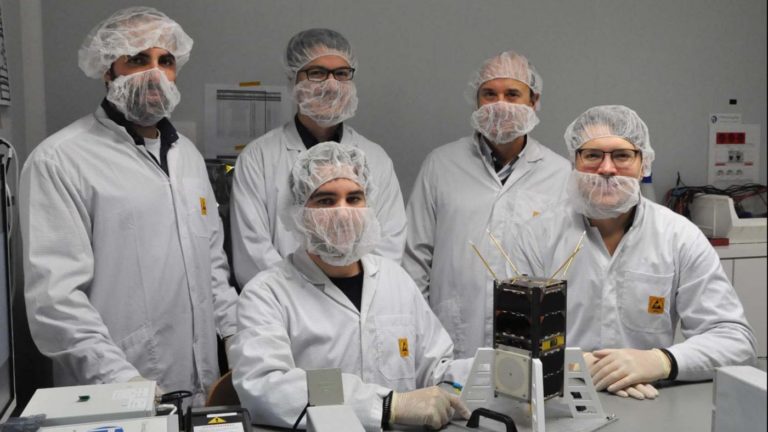
On December 27, the Lume-1 will leave the Russian spacecraft of Vostochny on its way to space, aboard a Soyuz rocket. After a long process of construction, tests and trials, the nanosatellite, with dimensions of 20x10x10 centimeters and a weight of 2.1 kilos, will be put into orbit at an altitude of 490 kilometers.