Sedaqua, small-scale ecological water treatment

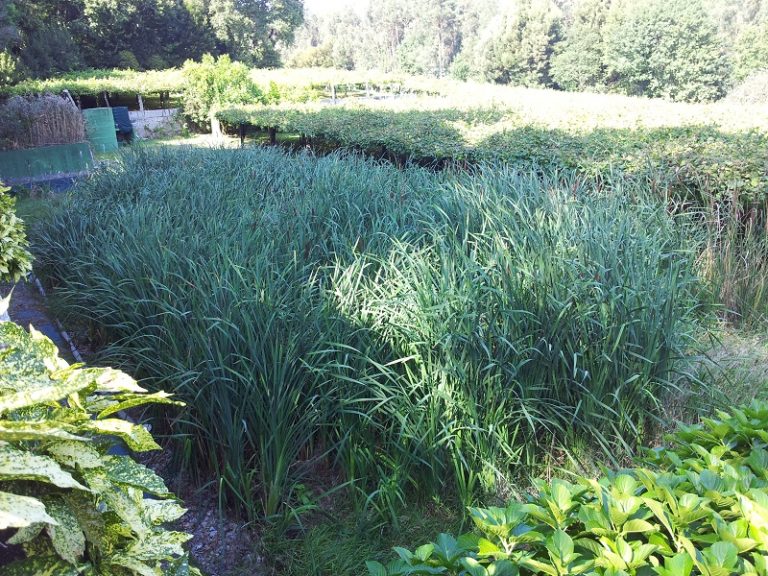
The purification of residual waters continues to be a major challenge especially for small population centers and industries. Suffice it to say that in 2008, it was estimated, that in Spain alone, there were more than 6,000 population centers (where more than three million people lived) that did not have an suitable system for the treatment of these waters. Sedaqua, a spin-off of the University of A Coruña (UdC) created at the end of 2012, has developed a project that allows to install a sort of ecological wetlands and at very low energy cost that can be financially viable and with returns within a period of just four years.

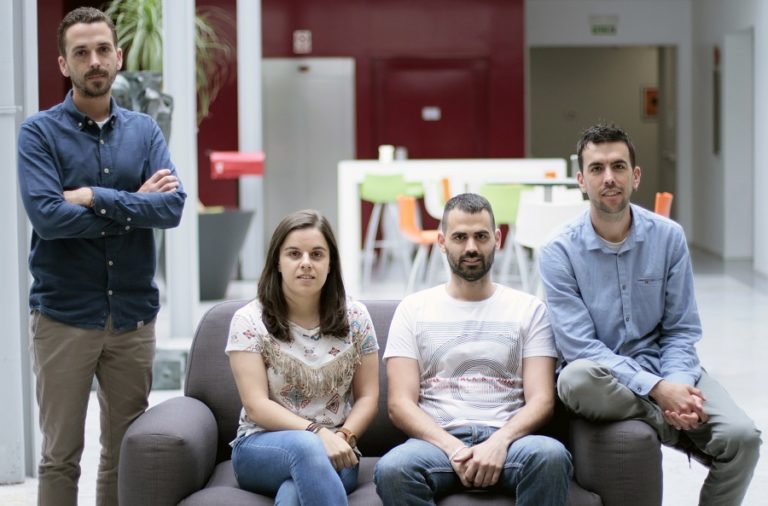
Manuel Soto (esqda) y David de la Varga

David de la Varga and Manuel Soto are the founding partners of a company that was born within the group of Chemical Environmental Engineering of the UdC.; De la Varga explains that from the beginning they saw clearly the commercial possibilities of developing a product that could be implemented in both developed and underdeveloped countries. In Spain since 2006 urban agglomerations of less than 2,000 inhabitants that  discharge its waste water directly into estuaries and that have a sanitation network are bound by mandatory law to redirect their wastewater to a suitable regulated water treatment.

The wetlands developed by Sedaqua are capable of treating waters with high levels of pollution, with an initial investment up to 40% lower than conventional treatment systems. The reduction in energy consumption can reach 100% and sewage and maintenance costs are considerably cut down. Other benefits of this project is that chemical elements are not used and the landscape integration of the treatment plant in the environment.

For a population of 140 inhabitants, the investment needed for a treatment plant with conventional wetlands would amount to 90,000 euros, while in the case of the one developed by Sedaqua, it will be reduced to 60,000 euros . The energy cost barely reaches 800 euros a year. This has caused that different city councils and private companies have already been interested in the project. For now, a water treatment plant of these characteristics has been installed in Lalín and another three in various wineries, two in Galicia and one in Navarra.
OpositaTest: solving a personal problem by creating a company

0

There are start-ups that bring us new products, generate new needs or open up new worlds and possibilities. But there are others that simply use current technology to take something everyday and simplify it.

Web de OpositaTest.
Web de OpositaTest.

OpositaTest was born out of the personal need of one of its creators, Inés, who was preparing the civil servant exam for the justice system. Anyone who has gone through a test with an exam-type test in the past few years is familiar with how tedious their practice is: manual preparation of the test, one-to-one grading, and seek reasons for failure. In addition to suffering a continuous outdated material, which involves a disbursement of money that only ends when you get the specific civil servant certificate.

OpositaTest offers two things to the user: a technological tool with which saves time and a high quality of content updated every day before any change in one´s agenda.

“The civil servant candidate has to study, and then, practice; you can not waste time on something worthless like grading and updating tests “, explains Pablo Cancelo, CCO of OpositaTest, a website and an application for mobile phones and tablets in which, apart from doing the tests, you can compare your results with your personal progression and with other users.

Today, OpositaTest have 33,000 subscribers, with a very high rate of satisfaction

The civil servants examinations, they first started developing the app for, were those of judges, prosecutors and court clerks, since achieving excellence on these tests -considered the hardest ones- would give them validity to get into any other of lesser demand. There was a huge demand and positive feedback from the first moment they implemented this tool, especially, because there´s no competition. But also because they have managed to improve traditional tests. “Many people told us that our content was much more similar to that found in other tests they had done before.”

Today, they have 33,000 subscribers, with a very high rate of satisfaction, polled at their last survey -out of the 1,000 people who gave feedback, 95% said they would subscribe to OpositaTest– and 85% of users have been those who have improved their grade or passed the civil servant examination after using the application.

HG Beyond, contact lenses that heal

The ideas born off college can end up becoming a powerful business initiative. Everything is pointing in the direction of HG Beyond. The spin-off of the University of Santiago (born under the name of Lentimed) has, so far, won several awards and supports with its project to develop contact lenses, made with an innovative material, which will serve to administer drugs and substances to fight eye problems.

Equipo directivo de HG Beyond

Manuel Figueroa, project manager of the company, explains that they are currently in full development of these contact lenses, which include a moistening system to lubricate the eye and that would benefit the users of contacts that have problems with their use due to the lack of natural moist.

The lenses will be on the shelves by mid-2019. The objective is that this first product is the one that allows opening the way for the lens to be worn or administered drugs, something more complicated to achieve initially since it will be necessary to carry out clinical trials and undertake a long process before it can be available. However, contacts with the built-in lubrication system can have a large commercial outlet, 50 % of people, who quit wearing contacts, is due to the lack of water in their eyes.

Figueroa explains that the key of the project is the use of hydrogels that allow to release substances in the eye in a much more effective way than that achieved with the use of eye drops. The contacts allow the substance to be applied to the eye continuously and more effectively, also do not have to be applied at all times to the eye every so often.

“R & D is in the DNA of our company,” says Figueroa, who also points out that innovation is not limited to the development of a product that can change the paradigm of eye treatments but also to the business development strategy of the company. HG Beyond aims to be a globally competitive company and hence has already registered patents in the US, Europe and Japan.

Supporting the entrepreneurs from their beginnings

Without a doubt, the objective of facing the creation and consolidation of a business initiative is a hard task, very complicated to face without having the necessary support. Although the existence of an entrepreneurial mentality is one of the essential requirements to start an adventure of this kind, it is not the only one. Support in training, guidance and counseling can make a difference between the success and failure of any given project.

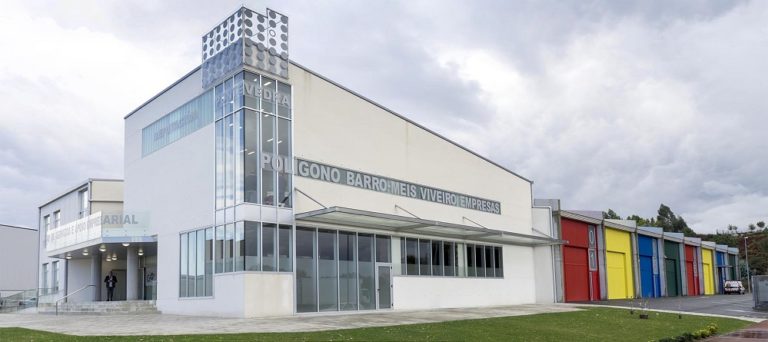
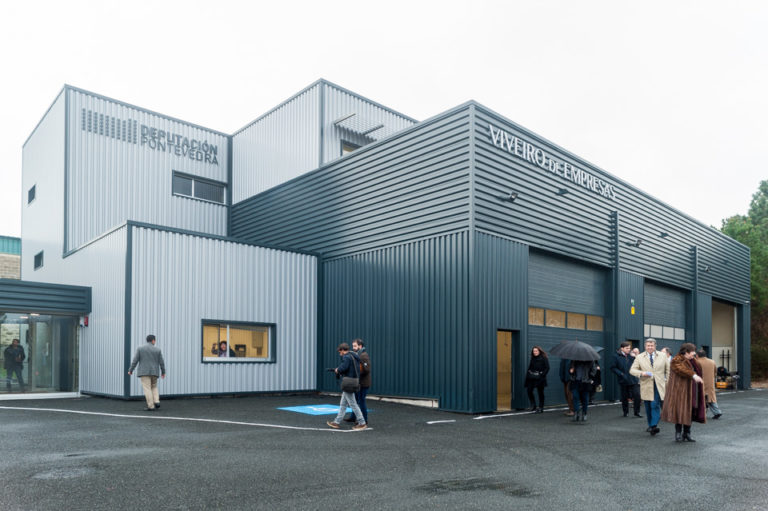
The recent opening of a Co-working and a Fab Lab, in the facilities of the business nurseries of the Barro-Meis industrial estate, will allow many entrepreneurs to find the support they need to make their business projects a reality. The Diputación de Pontevedra and the School of Industrial Organization (EOI) collaborate on a project (with funding from the European Social Fund) which is expected to hold about a hundred companies in just two years.

Instalacións do Fab Lab. Foto: Anxo Iglesias

The first twenty projects that will gain support from the Co-working center have already been selected and especially highlights the variety of existing business proposals since initiatives have been linked to new technologies, tourism, training, contemporary art, theater, and composting, which also can be found on 3D design.

Among the activities, that entrepreneurs can go, are workshops where they will get help to assess their business model with agile methodologies, as well as to develop the essential skills to take it into action. Learning crowfunding techniques, communication strategies in social networks or how to implement a digital marketing plan are some of the topics of these free one-off-workshops.

In addition, group training sessions will be held (exclusively directed to Co-working participants) in which specific subjects will be worked on to boost and the projects can  take off . For example, we will talk about finances for non-financial entrepreneurs, communication skills or learn how to manage talent in a project.

On the other hand, the entrepreneurs who attend the Co-working will have mentoring sessions by experts, who will try to accompany them from the design of the business model to its implementation and optimization, responding to the needs that arise along the way.

Finally, different activities will be held to promote networking and share best practices. For this, we will have the experience of other entrepreneurs / experts and business people. As a closing to each of the Co-working event (six months each) a Demo Day will be held during which the participating projects will be presented, their evolution and the possibilities of collaboration along with them.

Depo Andainas: A perfect choice to combine culture and sports

0

To know in depth the territory that we live daily is a more complex task than it seems. Undoubtedly, one of the best options to do this is to hike or walk and be in the company of someone who knows the trails well and that would go unnoticed by the average hiker.

Observación de aves na Illa de Arousa

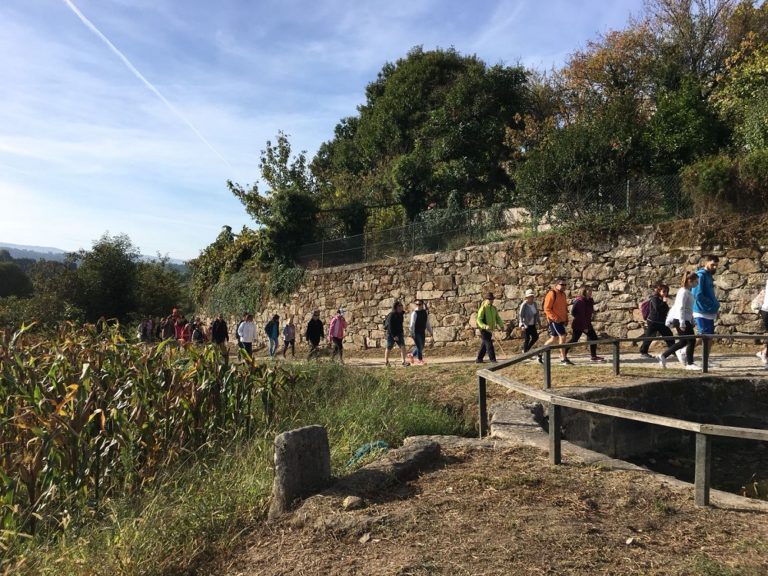
The program Depo Andainas, which in this 2017 has experienced its second edition, allows moderate sports and, at the same time, brings us closer together to some of the places full with greater cultural and scenic value in the county. Undoubtedly, this is an ideal way to combine sports and culture and to get to know better relevant natural and architectural settings.

The great success of the event has led to a total of 1,500 people having enjoyed this year the five Depo Andainas that have been held. In all the events the 300 existing places for each route were sold out in less than 24 hours. This number is considered the most accurate so that all attendees can fully enjoy the experience and avoid overcrowding.

The five trials that took place were in different stage at the Illa de Arousa-O Carreirón, the Pastora-Umia Natural Trail in Cambados, the As Salinas de Vilaboa-Illas Cíes, the Camino de Santiago between Tui and O Porriño and, finally, the Ruta da Pedra e da Auga in Soutomaior. The variety of natural and cultural places that could be visited in the five trials was one of the main attractions of this activity.

José Benito, partner of Marexada, company organizers of the Depo Andainas and coordinator of the same, explains that the ultimate goal of these routes is not limited to hiking but it is also to give the hikes a cultural sense and an awareness of their environment. Passing by monuments such as Tui Cathedral or Soutomaior Castle is a paramount opportunity to be able to learn more about the history and cultural backdrop of the area.

The route of the various Depo Andainas is designed so that it can be done by people of any age, since they have a medium-low level of difficulty and last between 2.5 and three hours, with three refreshments during the hike and with stopovers in order to explain various aspects of the tour by the monitors. This year there have been entries from all ages, ranging from 7 to 86 years old.

In the tours of this edition, the inclusion of the Illas Cíes was highlighted, which awakened great interest among the attendees, so that nearly 900 entries were registered to make that route. Benito explains that among those who came to do it there were people who had never been to the islands and other people who knew them from many years ago. The great landscape attraction of this natural reserve contributed to the enormous success of this route that allowed to enjoy the attendees with one of the most impressive natural scenarios in Galicia.

The last Depo Andaina´s event  this year had to be delayed until November 5 due to the wave of forest fires registered in the province around mid-October. The event was used to raise awareness among the attendees about the peculiarities of the forest as a natural environment, the prevention of fires and, even the protocols of citizenship action in the face of this type of arson.

SmartPeme, the cruise control of the self-employed, freelancer and companies

The freelance worker in particular and the entrepreneur in general is someone who has to face, many times alone, a series of tasks that can end up becoming a real obstacle when starting or developing one´s business. The use of ICT and new technologies can help one achieve their goals and, almost always, this can be achieved with low risk investment.

The SmartPeme service, launched by the Deputación de Pontevedra-The provincial council- in 2016, has become in a short time an effective companion for the entrepreneur who gives guidance in an unknown territory. Helping one to know how to face the challenges and opportunities that lie ahead with the new technologies in the business world is the main purpose of this service.

Os autónomos necesitan apoio permanente

The SmartPeme project began with the installation of a network of advisory points in the different localities of this region, assisted by qualified ICT consultants and new technologies. The recipients, whom the network is directed to, are the freelancers and local micro-businesses, with preferential treatment for those who have less than five workers or an annual turnover of less than 2 million euros. In total, in Pontevedra there are more than 64,000 small businesses, which make up more than 92% of the business fabric of this locality.

Ignacio Virel, Project Manager of SmartPeme, explains that the level of technology in both SMEs and the cluster of autonomous communities is quite low, so this service is assuming an important help to access a territory that for many is still unknown, although new technologies are increasingly present in the lives of people and also of companies. “Our aspiration is for the SmartPeme advisor in each region to become a kind of technological cruise control for companies and freelancers who seek advise,” says Virel.

Among the objectives that are to be achieved with the use of SmartPeme by entrepreneurs are the increased competition of SMEs through the use of new technologies, introducing innovation in production processes in products and services of SMEs and facilitate the implementation of electronic trading between the freelancers and the micro-SMEs (small businesses).

Virel explains that the experience accumulated so far with this project shows that companies and freelancers who use SmartPeme services are satisfied with the service. “This project represents an important financial outlay for the Local Council and I think we are achieving the set goals because entrepreneurs are in a very precarious situation when it comes to the use of new technologies,” says Virel.

SmartPeme users have a 10-hour free advice package that allows them to take their first steps in a world that is new for many of them. From there on, they can become part of the SmartPeme Conecta service, which allows them to continue consulting. Another service that has begun to offer in recent times is SmartPeme Informa, which allows SMEs and freelancers to receive updated information on issues related to new technologies that may affect them, such as the spread of computer viruses.

The SmartPeme points network is composed of six centers, strategically distributed throughout the province of Pontevedra. Each center has a team of two highly qualified ICT consultants who are knowledgeable about the business fabric of each region. In addition to the SmartPeme coordinating center, located in Pontevedra, the rest of the service points are located in the following areas: Counties of Pontevedra and O Morrazo; Counties of O Salnés and Caldas; Counties of Deza and Tabeirós-Terra de Montes; Counties of O Condado and A Paradanta; Counties of Vigo and O Baixo Miño.

Answers for business

In these centers business people can find answers to different needs, among the most common queries are the possibilities of setting up a website for a business or starting to sell online. Some of the questions that are answered by SmartPeme consultants are the following:

How can I save on the communication costs of the company?
What do I need to connect to the internet?
Is it safe to operate with online banking?
How useful is the electronic signature?
What does it provide me with and what are the advantages of electronic commerce?
Can I manage the social networks of my company myself?
What are the management computer tools?
How can I issue electronic invoices?
What subsidies and aid do I have to incorporate ICT into my SME?
How do I apply and implement new technologies to my business?

The Five Roads that run through Pontevedra

The Camino de Santiago-Way To Santiago– has become in recent years a tourist reference at a universal level and the province of Pontevedra  offers five different routes that lead to the city of the Apostle, with very different attractions for the pilgrim. Whatever your interests and preferences are, any traveler can choose from a variety of routes that will make each trip a different experience. The huge cultural, landscape and gastronomic wealth of the province will allow the walker, cyclist or rider to design a travel option to fit their taste.

The routes that run through the province of Pontevedra are the Portuguese Way, the Vía de la Plata-The Silver Way, the Portuguese Way along the coast, the Route of the Arousa Sea and the Ulla River and the Spiritual Variation of the Portuguese Way via the Salnés valley. The first two are those, which have the largest number of travelers but the other three have had lately an increasing number of visitors.

Edificio do Balneario Acuña en Caldas de Reis

The Portuguese Way is the second most traveled route of all those that go to Santiago right after the French Way. This route enters Galicia via Tui from where it continues passing through Porriño, Redondela, Pontevedra, Caldas de Reis and Padrón. Among the attractions that walkers find on their way include the old area of Tui, the bay of San Simón with the landscape of the bridge of Rande and the Vigo estuary, the Chapel of the Pilgrim and the monumental area of Pontevedra and the hot springs of Caldas de Reis.

The Vía de la Plata towards Santiago joins the southwest of the Iberian Peninsula with Galicia through the province of Ourense. From this, the Camino enters Pontevedra through Dozón towards Lalín and crosses small towns such as Puxallos, Pontenoufe, Botos, Donsión, Campo, Empedrada and Prado. From the latter, the traveler can take a detour towards the sanctuary of Nosa Señora do Corpiño. Also on this route one can find the spectacular waterfall of the Toxa River and the ruins of the Carboeiro Monastery. The tour of Pontevedra ends in A Estrada, where one can visit the famous Pazo de Oca and its Versailles gardens.

The Portuguese Way by the Coast is a route that has been recently officialized and that is 150 kilometers long. It begins in A Guarda and crosses the municipalities of O Rosal, Oia, Baiona, Nigrán and Vigo up to Redondela, where it connects with the Portuguese Way. The beautiful coastal landscape is the great attraction of a route that also includes points of cultural and tourist interest such as the castro of Santa Trega in A Guarda and the medieval fortress of Baiona.

The Portuguese Way by the Coast is a route that has been recently officialized

The Maritime Route to Santiago runs along the Arousa River towards Vilagarcía and Padrón, where it connects with the Portuguese Way, following the same route that, according to legend, the disciples of the Apostle traveled and carried The Apostle´s corpse around. This route includes important tourist enclaves such as O Grove, Toxa and Cambados, capital of Albariño. In Vilagarcía you can admire various architectural works, among them we have the Casa do Cuadrante, where the famous local artist, Valle-Inclán was born and now there is a museum. In the stretch to the mouth of the Ulla, we must highlight the 17 “cruceros” -crossroads crosses-pronounced “kroo-thay-ee-roe” that are the main landmark of the Jacobean route to Pontecesures and Catoira, where you can still see the remains of the fortress of the West, built in the ninth century to defend Compostela from Viking raids.

The Spiritual Variation of the Portuguese Way via the valley of Salnés- homeland of the Albariño wine- joins this road with the route of the Sea of Arousa and the Ulla river. To follow it, it is necessary to take a detour right in Pontevedra towards the Armenteira (Meis) on a trip with a route of 20 kilometers long. Afterwards, a second trip of 24 kilometers takes place, in which  one must travel to the north of the Salnés region from Armenteira to Vilanova de Arousa that links the route of the Mar de Arousa and the Ulla River to reach Santiago. The possibility of touring the numerous wineries in the area is one of the great attractions of this tasty detour.

Pontevedra, the homeland of The Castro Culture

The wealth of Galician-Roman archaeological sites in the province of Pontevedra make it a privileged place for all those interested in dig deeper into a decisive stage of history for the sake of the present day Galicia. Both tourists and the Galician citizens themselves will find in these spaces the tracks of a fascinating history and, in addition, they will find magnificent natural locations that contribute to making the attraction of these spaces even greater.

Beyond the most famous site, located in Santa Trega, the enormous diversity of existing spaces invite the traveler to discover a world still very unknown and fascinating that hides many secrets that delve well into the distant past and also explain the present. Whoever comes to see them and tries to answer some of the questions they ask us, even without words, will eventually discover a new world of knowledge with practically infinite possibilities.

Castro de Alobre (Vilagarcía)

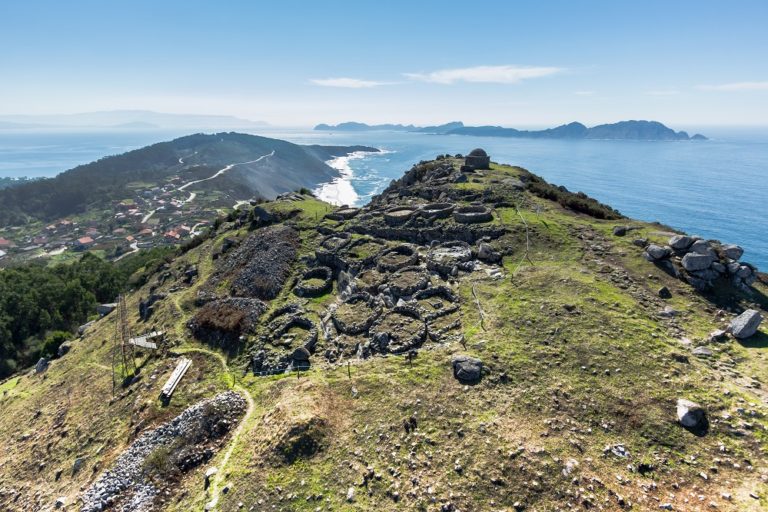
The Diputación de Pontevedra (province council) and the Ministry of Development together signed an agreement in March 2015 that aims to enhance this heritage. It is about investing in turning these spaces into tools of socio-economic, cultural and tourist dynamization. The comprehensive program includes a wide range of activities from cleaning, maintenance and excavation to promotional services, creation of museum environments and the digital recording of the sites in 3D.

The Diputación is in charge of cleaning and recovering the sites, while the Ministry of Development is responsible for restoration, Groundplug Road Sign Installation and musealization. For this last task, a public contest of ideas has been convened, with a jury and prizes.

The recovery of the sites will allow to improve the understanding of the socioeconomic dynamics of Galicia in ancient times, as well as to offer an explanation of the territorial articulation that remains from the Iron Age to the late Roman period. It also aims to contribute to the expansion of the tourist supply and demand, both to the deseasonalization and to the attraction of new potential tourists, especially foreigners, through an innovative cultural offer.

Rafael Rodríguez, head of the Department of Archeology of the Diputación, points out that in the province of Pontevedra there are some of the most unique sites from the Iron Age located within the northwest of the Iberian peninsula. “Not only are there celtic fortifications, burgs and chesters, but you can also see buildings of another type that will allow visitors to discern the great complexity of the development of the Iron Age throughout this land,” he explains.

Castro da Lanzada.
Castro da Lanzada.

The large settlement of Santa Tegra, the salting factory of the fortress of A Lanzada, the sanctuary located on the mountain of O Facho, the small agricultural community of Castro Landín -Landin – or the castros-chester clusters-linked to the sea such as that of Alobre in Vilagarcía are a clear landmark of the diversity that we can find in the settlements spread throughout the province. “We have a small encyclopedia on the castros in the province,” says Rodríguez.

Among the findings that have been found during excavations and recent investigations include the important human remains found in the fort of A Lanzada. These discoveries are providing new information about a settlement that, due to its privileged location, awakens great tourist interest. The appearance of remains of bones of children and other inhabitants of the castros at different times are allowing to know new details about the inhabitants of a place that was an important trading center and one of its main singularities was to have a salting factory , whose remains can still be seen nowadays.

Learning On How to Start Your Own Company

Thinking like a real business person is a long shot for some people but that should be encouraged as soon as possible to achieve good results. Beyond getting to becoming acquainted with the tools which one will be able to count on to face the task of starting a business, what make a difference between an entrepreneur and the average business person is to have an open mind and an attitude towards curiosity, which leads them to not be afraid to venture into unknown territory to develop a business idea. Promoting these skills from an early age is fundamental for society to end up benefiting from the wealth and employment generated by this type of people.

Alumnos mostrando os produtos da súa cooperativa

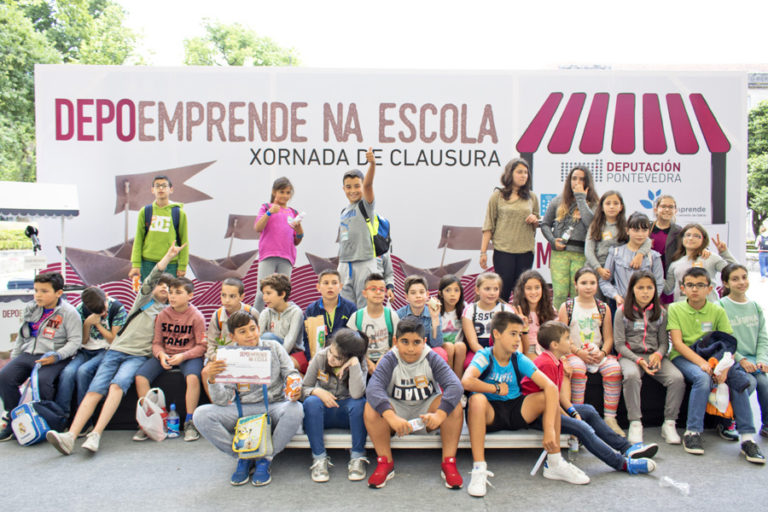
DepoEmprende na Escola is an ambitious project that tries to implant in the schools the basic ideas that can allow the children of today become the entrepreneurs of tomorrow. And if they do not succeed or simply look for another path, at least they will have a set of tools that will help them achieve their goals in other aspects of their personal and professional life.

Among the objectives of the program are the following:

-To Develop the ability for children to form an adjusted image of their own person, their characteristics and possibilities in relation to their socio-professional environment and carry out activities that promote knowledge of their own interests and motivations.

-To Develop creative capabilities, initiative and entrepreneurial spirit in the development and development of personal training and professionalization strategies, based on knowledge of their own characteristics and potential.

-To Develop the ability to make responsible decisions, resulting from the contrast between self-knowledge, observation and basic understanding of the socio-economic environment.

-To Develop an attitude of inquiry and curiosity regarding the characteristics and demands of the local and regional socioeconomic environment. In addition to encouraging interest in participating and intervening in the development of this environment with autonomy and a sense of initiative.

-To Develop the ability to obtain, select and interpret information, and use it autonomously and critically according to the purpose pursued and to be able to communicate it to others in an organized manner.

-To Know the rules of group operation and develop habits of entrepreneurial awareness, referred to the company or another type of association.

-To Start in the identification and knowledge of the elements and basic principles of the implementation of a project.

These objectives will be accomplished with the creation of cooperatives by the 5th and 6th grade Primary and Special Education students from different schools in the region. During the 2016-17 academic year, a total of 11 cooperatives have been created and the participants in the project have been able so far to showcase their products in a final event that took place in the capital of Pontevedra at the end of the school term.

‘If the measure against exotic plants takes too late, it will become very hard to control it’

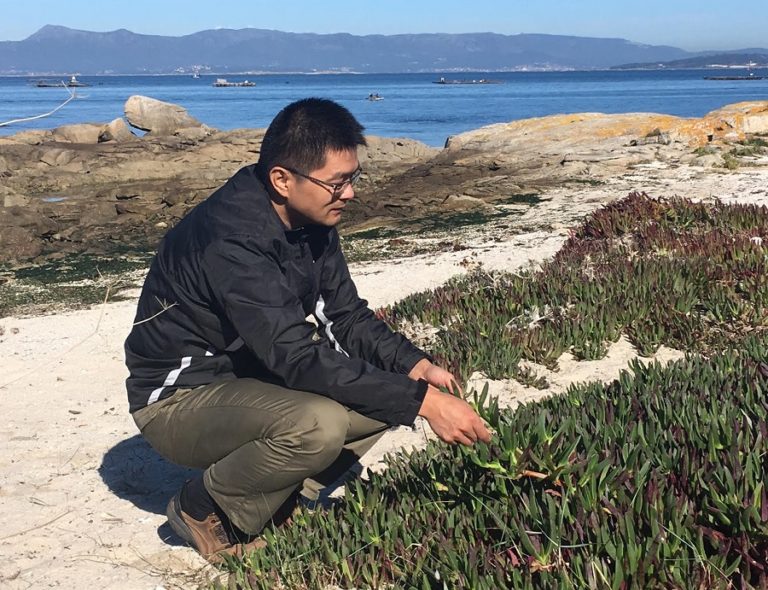
Professor Fei-Hai Yu is a global authority on biological invasions, with many publications in impact journals and editor of the prestigious journal ‘Biological Invasions’. Professor at the University of Taizhou (China), he collaborates with the Biocost group of the University of A Coruña.

Fei-Hai Yu.
Fei-Hai Yu.

-Biological invasions are a global problem; in your opinion do we need a global solution also?

-Yes, I do think we need a global solution to prevent biological invasions.

-How basic research can contribute to the management of invasive species?

-To successfully control biological invasions, we need to solve some basic questions, including why some introduced exotic species become invasive while other do not and why some communities are easy to be invaded while other are not. Without such knowledge, it is nearly impossible to efficiently manage invasive species.

-Which is the role that plays clonal reproduction in plant invasions?

-Many invasive plant species are capable of clonal growth and also many of the world’s most invasive species are also clonal plants. For instance, in the list of “100 of the World’s Worst Invasive Alien Species” created by the Invasive Species Specialist Group (ISSG) of IUCN, 36 are plant species. Of these 36 world’s worst invasive alien plant species, about 2/3 are clonal plants. Clonal plants have some special traits associated with clonal growth (i.e. clonal traits) that distinguish them from non-clonal plants. There is clear evidence that clonal traits help exotic clonal plants to become successful invaders.

‘There is clear evidence that clonal traits help to become successful invaders’

-The clonal Alternanthera philoxeroides, your model species, native from Brazil represent an important environmental problem in China. Recently, the presence of this aggressive invader has been reported in Galicia. In your opinion, which is the best way to avoid its expansion?

-The best way to avoid its expansion is to remove it immediately by manual or other measures. Because both root and shoot fragments of this species can easily regenerate and develop into a whole plant, it will be very useful to conduct continuous monitoring after the plants were “removed”. Once some new individuals of Alternanthera philoxeroides come out from the “removed” area, they should also be removed immediately. Also the removed plant materials should be completely destroyed by e.g. fire to avoid their further regeneration. Exotic plants experience several stages before they became a problem. If the measure takes too late, then it will become very hard and also very costly to control it.

-What is your opinion about using biological control as a solution for biological invasions?

-Traditionally, scientists introduce new species into the regions/countries that are invaded to control the invasive species. In my opinion, such a type of biological control is useful if the introduced agents that are used to control invasive species are harmless to native species. But we do need to carefully evaluate the impacts of these introduced agents to make sure that they will not cause problems in future. An alternative way of biological control is to select native species in the invaded regions/countries as an agent to control invasive species, which, of course, is not easy to achieve.

-Which are the projects that your group develop in collaboration with the BioCost group of the UDC?

-We have finished a project in which we tested how clonal traits contribute to the defense of a clonal invasive plant to different herbivores. For this project, a student from the BioCost group of the UDC had been working in China for about half a year. We have discussed to initiate three more projects on invasive clonal plant research. We also would like to act as a bridge for the potential student and staff exchange program between the two universities in future.