A New Milky Way

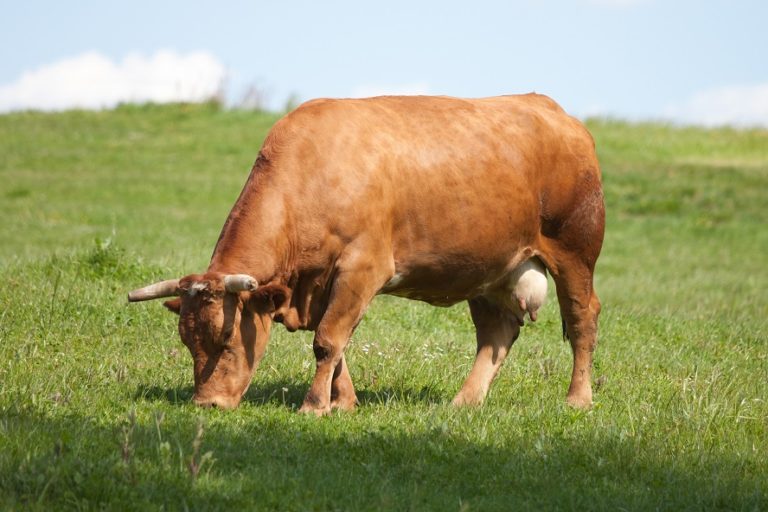
Galicia is the largest milk producer in Spain. However, it hardly makes it into the cheese, yoghurt and other dairy-product-market, which has a greater added value. The 9,000 Galician farms need to bet on innovation and high tech to take on the challenges of an increasingly complex market. On the Terra de Lugo Campus, they bring scientific insight to this industry.

A la carte advertising when Celta Vigo F.C. scores!

0


An American sports bar in Vigo is not the very same to that one designed for ´tapas´only. Fernando Garrido, a Celta FC fan and a football TV bar goer has owned a place in Vigo called Abinco since 2001, which is specialized in cash-desk-software within the hospitality sector.  He has been on and off the digital billboarding and infomercials business for a while. But, when he got together with two more partners, he laid out a system to broadcast advertising via football bars large screens whether it be on TDT or cable TV.  His brainchild is called AD-ON-TV and works via a content box, which combined with a digital signal either new promotions, commercials or messages are run via a telephone app or a cloud server. So, profit is guaranteed once the establishment or bar is packed with customers – “When Orellana (Celta FC footballer) scores a goal the manager of the bar can retrieve a specific message”, says Garrido- and you can tune up the audience, so to speak!

“What we do is to set up a device [US technology] behind the sports bars LED screens, these are venues which basically people hang around to watch Spanish football. It is like a minicomputer that is attached to the monitor and hooked up via an HDMi input and besides the internet connection, there´s a constant flow of content managable via this device. It goes directly to the target (he explains in this sort of jargon). For instance: 9 out of 10 people watching football in Spain drink for sure beer. Its a very powerful tool of microsegmentation, so to speak”, explain again Garrido who has planned to implement this device in all Galician bars next year.  he has enganged in conversations with 5 brands of beverages, beer and spirited drinks too. they all have shown interests in this type of project.  The idea has set well in about 20 different bars across Vigo with excellent results and being able to quantify ticket sales too.

“A Lanzada would be considered a scientific milestone in a country like England”

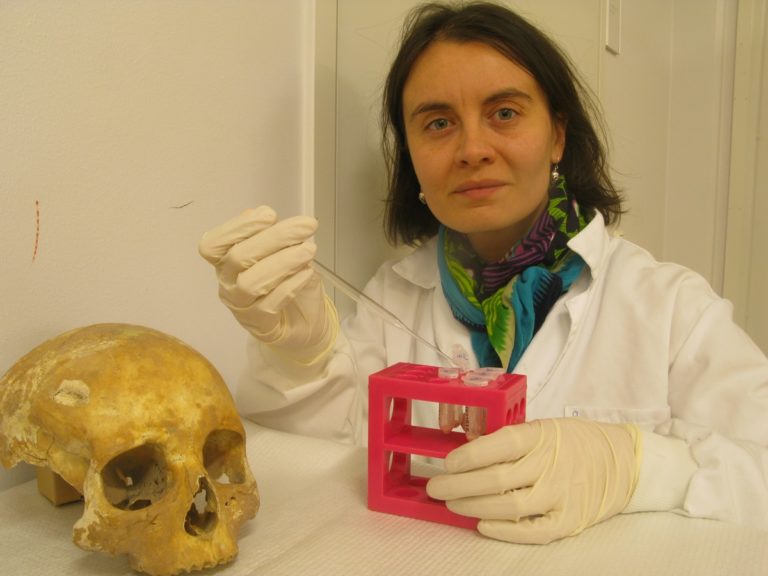
The physical anthropologist of the USC, Olalla López Costas is enthusiastic about the quantity and the excellent state of preservation of the human remains that have been found in the excavations carried out in 2016 at the castro of A Lanzada. In her opinion, this settlement is among the best in Europe so as to carry out a complete study on the populations of the Roman and Pre-Roman times.

 -What is special about the remains that have been found in the castro of A Lanzada?

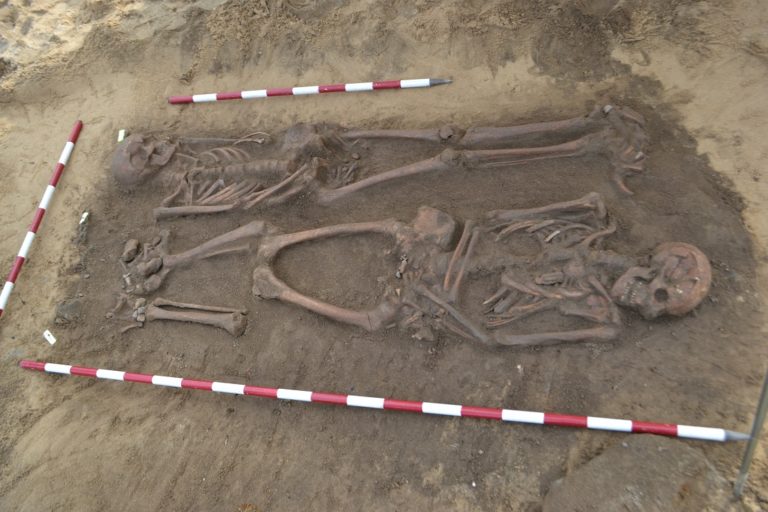
-As for preservation of the bones is the best of all Galician necropolis and the number of human skeletons found is the highest. I have been working there for ten years and the mint condition of the remains found allows us to test various techniques and explore their results. What is done in A Lanzada then serves as a reference for other archaeological sites, both here and outside Spain. In the excavations carried out in 2016 the remains of four adults and thirteen newborn children turned up fairly quick. This is a very unique find because in most Galician necropolis there are no remains of babies. It seems that this cemetery had a delimited area for these. The recovery of Cornelia´s skeleton, the first one found, was very exciting because they were the first remains that turned up in the area after 30 years.

-What features can be highlighted regarding the ancient local people of A Lanzada from two thousand years ago?

-“We have found traces of infectious diseases like TB and brucellosis.” We have recently published a study on how this population looked like. They brought their cattle to pasture to the area of the marsh and employed the algae as fertilizer. The cemetery contains remains dated between the 1st and 7th centuries AD, from the time of the Romans and the Suevi. The average height of the men was of 1.65 mts and the women around 1,59. Once they reached 20 years of age, the average survival rate approaches 40 years of age tops, similar to that of other Galician settlements.”

-What did they eat?

-One of the distinctive features of this population is that they ate much more fish and seafood than in any other parts of Europe; Also fed on millet. They ate some meat and more vegetables than in the rest of Europe. It is funny to be able to say that at this place already in Roman times one ate more fish than in other places of Europe, as it happens nowadays too.

‘The Lanzada castro is a real history book about Galicia’

0

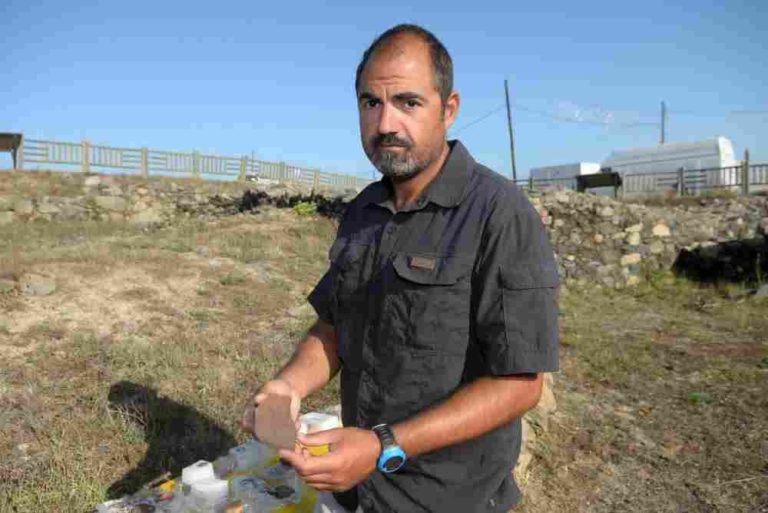
Rafael Rodríguez, archaeologist of the Diputación de Pontevedra, has been at the helm of the recent excavated Castro which were carried out at A Lanzada, Pontevedra. Rodríguez has stressed the importance of the archeological findings, which allows us to track the evolution of the inhabitants in the area from the 8th century BC until now.

-What would you say are the most remarkable findings during the excavations at A Lanzada in the second half of 2016?

-First, we have managed to expand the visible area of the archaeological site, which before was about 640 square meters and is now approaching 2,000. Initially we looked for remains of a Roman villa and a medieval monastery but, as it usually happens in archeology, the big surprise was that we discovered other more interesting things.

-What types of features did this settlement show based on the remains found?

-The castro of A Lanzada was a great trading enclave. In fact, it can be said that it would not even correspond to the denomination of a Castro per se because, although it covers a time in the Iron Age of the Castrexa culture, however, it does not show the typical features of a defensive settlement and it is not even located on a high place, as it happens with the majority of the Castros. This gives us an insight of the wealth and great variety of archaeological sites that we have in the province of Pontevedra.

-How can we label this settlement within the context of the existing ones in Galicia?

-I think, it is one of the most important settlements because it provides us with exceptional new features. For me it is real eye opener and a history book of Galicia from the 8th century BC until today because the remains found allow us to see how the way of life of its inhabitants had evolved at that point in time. At the moment, there is no similar settlements in Galicia so as to reach any far fetched conclusions about these new historical development.

-What piece would stand out from those found in these excavations?

-Needless to say, so far the most significant remain is a short bronze sword that can be dated between the VIII and IV centuries BC. We must investigate this piece a bit further before we can draw conclusions about the use of relics in antiquity. In addition, among the ceramic pieces, found there, are about a thousand “terra sigillata” (high quality tableware used by the Romans).


Bones unfold mysteries

0

The discovery of new human remains in the excavations carried out in A Lanzada during 2016 will allow us to dig deeper, later on, into the way of life of the inhabitants of the castro throughout the first centuries of the 1st millenium. For the very first time in 30 years, human remains have been discovered on the site and their state of preservation is excellent.

Among the surprises that have surfaced from the castro of A Lanzada is the discovery of a necropolis which was dedicated only to babies, something exceptional since the usual thing in this type of settlements is that the children were buried inside the houses.

Olalla López Costas, a physical anthropologist at the USC, explains that this may indicate that the children received special care when being buried. “Even under the head of one of the skeletons we found a piece of ceramic, as if they had wanted to hold the head better when buried,” says the researcher. The bodies, recently found, belong to children buried between the 1st and 2nd centuries AD.

Another surprising finding is that of a-two-babies-burial. There are two babies who were buried together, which seems to indicate that they died about the same time

Carracedo: A Science Lesson

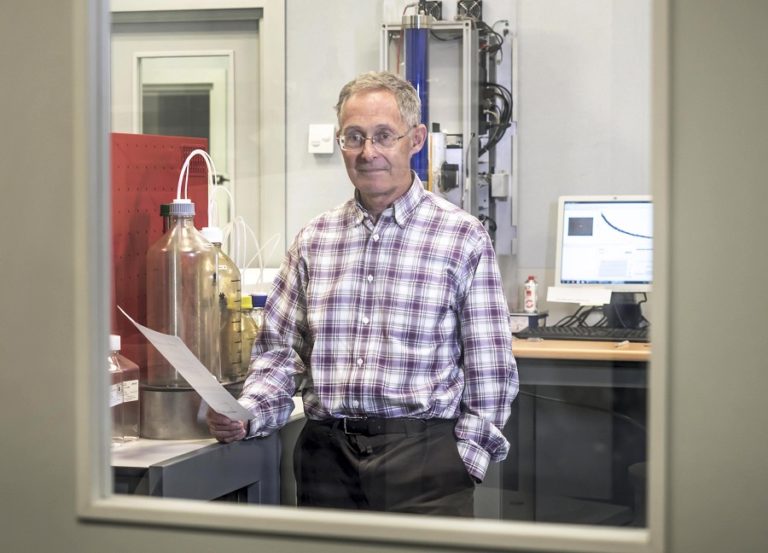
Explaining science is basic so that citizens are well informed and free. This is what geneticist Angel Carracedo thinks, director of the Department of Legal Medicine at the University of Santiago. Often times, in scientific journals like Nature or Science, Carracedo is portrayed as a world authority in Forensic Science. And, also, as a great promoter of science. That- in a conference, organized by GCiencia for the journalism students of the USC college in Santiago- is the key so that the work of researchers can reach the mainstream.

Science for Young People


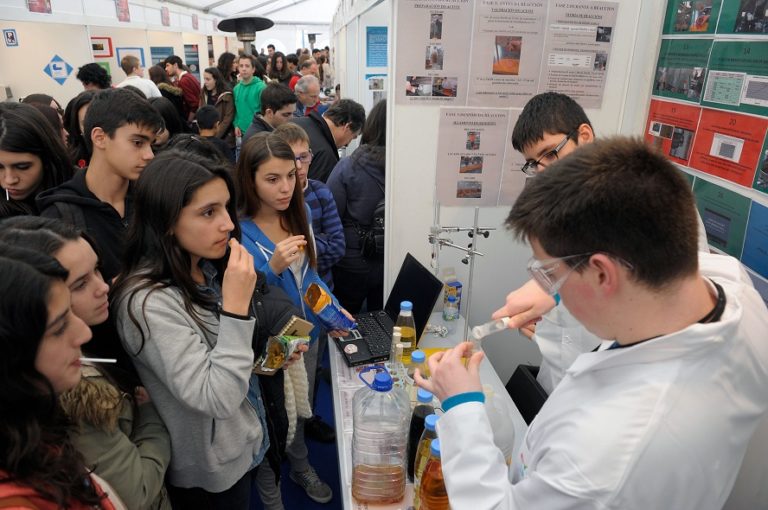
Science has a future. This is well proven beyond any reasonable doubt at the competition aka Galiciencia, which every year brings together two thousand science students to the Parque Tecnópole of Ourense. 75 school projects from Galicia, Asturias, the Basque Country and Catalonia entered the competition in the 2016 edition, which has broken all records.

Legends and Myths in a Magic Place

0

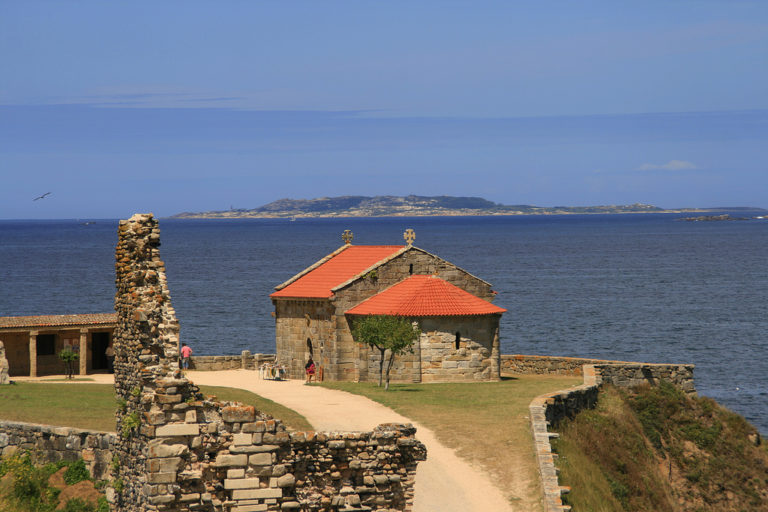
The promontory on which the Castro of A Lanzada rests, has, without a shred of a doubt, a special charm that goes well beyond its tourist attraction. Surely, the incredible natural landscape, in which it is enclosed, was one of the decisive elements why its first inhabitants decided to settle there. Since then there have been a plethora of myths and legends that surround a place where, beyond one´s beliefs, strange things seem to happen.

It is extraordinary that in such a small area of land there must have been a celtic fortification aka a castro, a shrine and a medieval castle altogether, but the more this place is surveyed the more mysteries are unfolded in this small tongue of land, that goes into the sea and that in summer becomes one of the most after-sought-landmarks of the Galician coast.

Undoubtedly the most well-known legend, in all of Galicia, is the sea bathing of the nine waves that is recommended for women who wish to have children. This fertility myth falls in the same category of other capes legends around the world but this one has its peculiarities. In theory, the sea bathing should be done at dawn and during a night of full moon. The woman must be bathed by nine waves and, later, lie down on the “bed of the Virgin” near the shrine. In addition to its positive effects for motherhood, it is also said that the sea bathing has therapeutic properties.

A campus closed to motherland

The college campuses in Galicia create their own brand and become specialized. Ferrol is the Industry campus, Ourense promotes the Water campus or Vigo bets on the Sea campus. But, among them, the most loyal to its territory is undoubtedly the Terra campus of the USC college, which in Lugo trains and investigates in close relation with the social and economic fabric of their environment.

The Vegetable Chorizo Sausage is now possible (and it tastes great!)

1

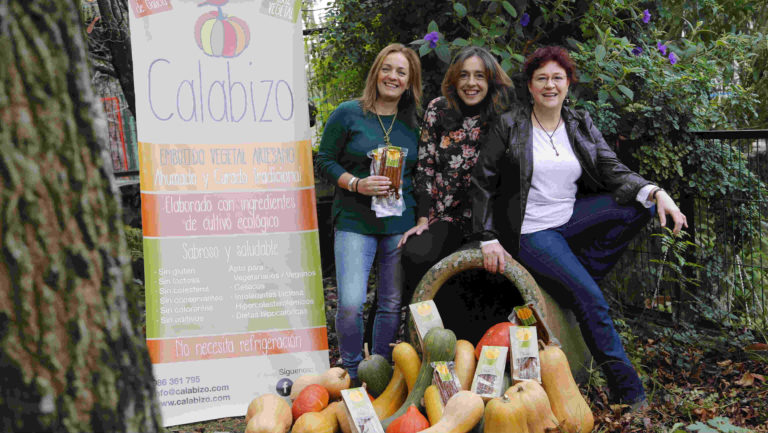
Until the inception of Calabizo, only 2 flavors were missing from their stock for veggies. Edurne Sendra, one of the cofounders of the company together with Keila Pousa and Sofía Calvo, “the 2 flavors we were missing at a local vegetarian restaurant was spanish ham and chorizo sausage”, recalls Edurne.

Since then, the three of them got together to work on this project of developing these 2 unique flavors. A very ordinary specific produce but with a lot of potential. They joined forces in: restoration (Sofía), agricultural engineering (Edurne), and marketing and tourism (Keila). One year later, they managed to reach the finals of Vía Galicia, which kickstarted their pumpkin sausage project.

Envase de Calabizo.
Envase de Calabizo.

In the process of making the Calabizos, I+D and traditional methods go hand in hand. “The recipe is very similar to that of an old fashioned chorizo, but we replace the real pork meat for the pumpkin flesh and the porks fat for the extra virgin olive oil ”, explains Edurne Sendra. Smoked, cured and dried techniques of this fruit are also similar to the real. Moreover, our recipe includes Spanish papikra (pimenton), oregano, onion, garlic and salt.

This is the way we have been manufacturing our pumpkin sausages, according to Edurne, it follows the ‘4 premises of any nutritious food’ (healthy, sustainable, tasty and additive free). Because the Calabizo, always according to its creators “keeps in check your cholesterol, provides the daily recommended food fibre, its very rich in vitamins and antioxidants, a low calory bite, this raw material is harvested under organic foods regulations and using traditional methods” besides “it tastes like a chorizo because it really makes the mouth recall those flavors of old fashioned countryside cold cuts ”.

The Cluster Alimentario de Galicia awarded them the prize as The Innovative Produce of the Year 2016.