A recent research conducted by T.H. Chan at the Public Health School at Harvard, Massachusetts (USA) backs up recent findings about the benefits of eating whole grain foods such as quinoa, barley and wheat. This major research, published by the magazine Circulation, concludes that the daily consumption of whole grain can extend our lifespan.
Several experts have analyzed data from already 12 published peer reviewed articles together with unedited sources collected from National Health and Nutrition System (NHANES) III and NHANES between the years 1999-2004. All of them included participants from the UK, USA and Scandinavian territories. All in all, over 786.076 reports were examined between the years 1970 and 2010. This meta-analysis showed that 16 grams out of each whole grain portion, there was a 7% reduction in total deaths, a reduction of 9% in deaths heart disease related and a reduction of 5% in deaths cancer related.
Pulses are the Most Nutritious Foods and Most Recommended by Health Authorities
Proteins
20% to 25% of their weight is pure protein in most cases. Since they have a high percentage of proteins, the seeds of pulses have played a huge role in many animals foods, man has added pulses, for instance, into pigs, rabbits, birds and any kind of cattle fodder.
Carbohydrates
Around 60 % is the average amount of carbohydrates in pulses. Pulses are, therefore, veggies which are rich in carbohydrate with polysaccharides or complex sugar like complejos como el starch, simple sugars like sacrose, glucose or fructose, or even oligosaccharides.
Diet Fibre
Around 11 to 25% of the pulse is diet fiber and together with cereals is the main source of fiber. This type of nutrient has potentially great preventive benefits against obesity, diabetes mellitus, constipation, and colon cancer.
Micronutrient
All pulses have relevant amounts fo iron, copper, carotenoids, vitamin B1, niacine, and are an important source of folic acid. Several studies have indicated that eating food rich in folates will help prevent any heart disease.
Lipids
Pulses have low content in fats. It has been shown that a varied diet based on pulses lowers cholesterol levels in the bloodstream, though it has not been proved how it really works in the human body.
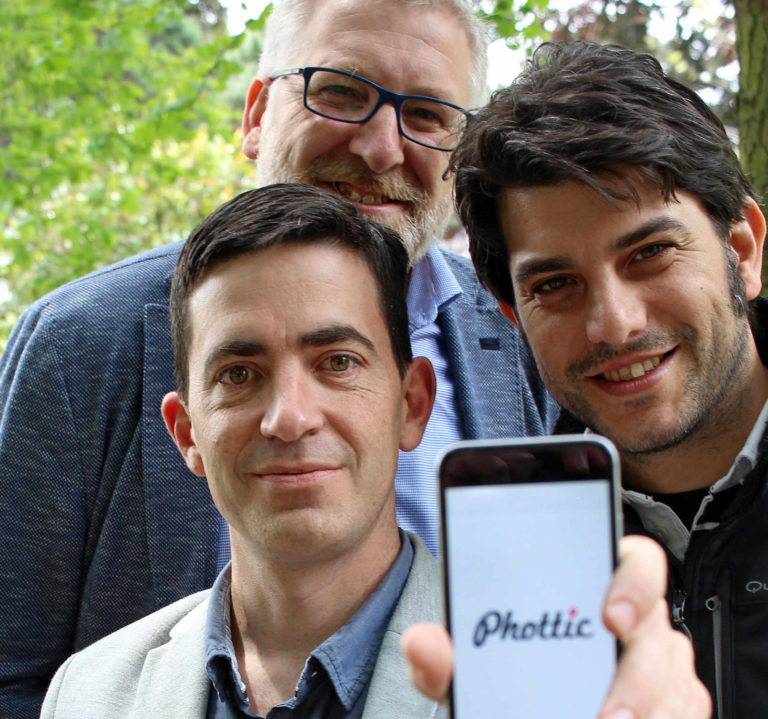
Until very recent, as far as the old generations can remember, images or photos did not used to be uploaded onto Facebook but would be developed in labs and kept in physical photo family albums. And around this concept, in 2013, the web Phottic was conceived, a spin-off of the firm Abertal, which has just turned 20 years old and it is one of the leading IT companies in Galicia. Phottic selects, orders and shows the photo backdrops of any person or entity that wants to relinquish their images to this web. Once each image has been scanned, a single file is processed to be dated, located and captioned too.
“Any person can get in touch with us in order to relinquish their image. We work with the images and process them to fit our web and for people to be able to share it online”, explains Manuel Pan, CEO of Phottic and the alma matter of this project together with his colleagues Daniel Cerqueiro and Alejandro Lamas.
From its inception , Phottic has worked closely with institutions such as the city halls of Carballo, Celanova, Arteixo, As Pontes or Vilagarcía. The project at Vilagarcia was the first job which kick started the project financially and contributed to the publishing of the first photo album by Phottic, “cycling for Vilagarcía. Through cycling, the history of this bucolic fishing villa is told in the 20th century. So far, this project has also been chosen to participate in several local entrepreneurship initiatives such as Vía Galicia and Galicia Open Future.
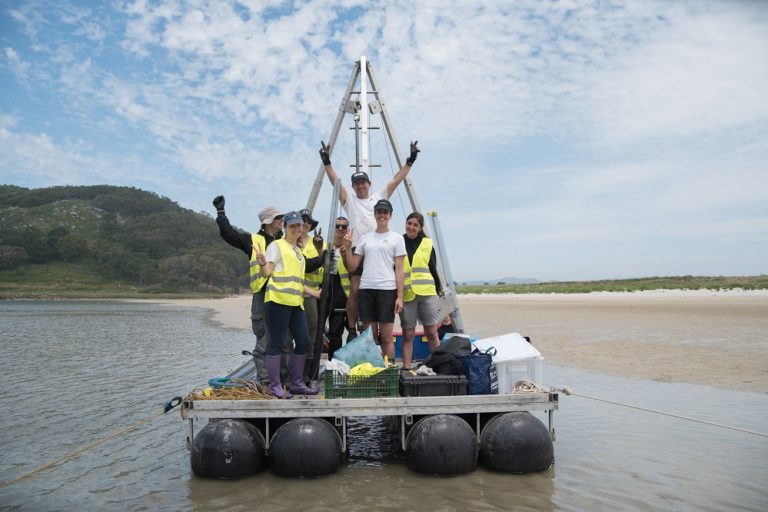
Islas Cíes –Cies Isles– are paradise just right in the Ría de Vigo. There, a small lagoon, the so called- Lagoa dos Nenos (Childrens Lagoon), unfolds its ancient secrets about the history of the archipelago. In its very depths, there are sediments which allow us to track down mankind’s footprint in mother nature.
A team of seven researchers of the Paleopark project led by Miguel Ángel Mateo collected sedimentary samples over a weeks period in the lagoon with the aim of having a picture of the isles past. They managed to come up with biological records that take us back to at least 6 thousand years in the past.
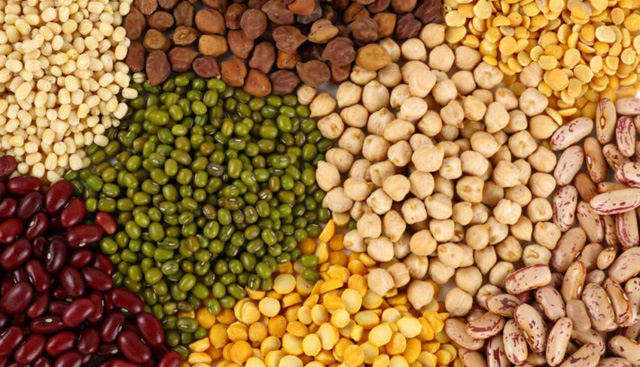
Pulses together with cereals and fruit have been the base food of humans for centuries. Theyre foods which is easy to store and preserve for a long time. They have excellent nutritious properties and provide proteins that otherwise would be hard to get to in times of scarcity.
We tend to classify beans, garbanzos or chickpeas, lentils and so on within the same food group. However, there are other foods of daily consumption which belong to this family of pulses, too.
Australian chickpea or garbanzo
The less little known Australian chickpea or garbanzo is a round pulse with light thin yellow skin. They re rich in proteins, fiber and carbon hydrates and in its composition one can find nutrients like the so called polyphenols. They have more calories than the usual veggies because they contain more fat. It is by far a good substitute for people who cannot tolerate soy related foods and simply want to eat another type of vegetable protein or a different kind of pulse.
Soybean
The Soybean is a plant, which can be used to extract oil, milk, tofu and sprouts. Eating soybean related products has become popular for the past 20 due to the far east countries. Its a very complete and fulfilling food nowadays, it has a great deal of protein. In the far east countries, it is considered a food with a high energy and nutritious and with disease preventing properties.
Peanuts
Peanuts are plants belonging to the family of Fabacea whose seeds are highly regarded in the food industry. Theyre rich in mineral salts, vitamins, proteins and fiber. Moreover, peanuts are like nuts which have a high content of vitamin B3, proteins and folic acid. They’re very suitable for people with health related problems like chronic fatigue, sportspeople and pregnant women.
Pulses have been the base food of humans for millenia and together with the evolution of man have marked the way ahead. But, Who harvested pulses first? What were the origins of pulses?
Pulses have been harvested by many cultures depending on the species for centuries. There are different origins such as those from Mesopotamia, Pre colombian America and East Asia. They seem to have been basic foods of peoples since neolithic times. As soon as man began to harvest the land and started agricultural practices as a complementary way to their typical hunting and gathering expertise.
Although some historians talk about ancient times and go about dating it in the 20 thousand year harvesting period, what is true is that in the Near East, there was a clear association between cereal seeds such as wheats and barley together with pulses like lentils, green peas for instance, and the chickpea crops, which date back to 6 thousand years.
In Spain, from the middle ages until now, pulses have been our food companion at home, it does not matter whether be the poor or the rich, both have included pulses in their home meals. Popular Spanish dishes like broths, lentil soups or stews have been part of our traditional culinary culture and take hundreds if not thousands of pages in the volumes of Spanish literature.
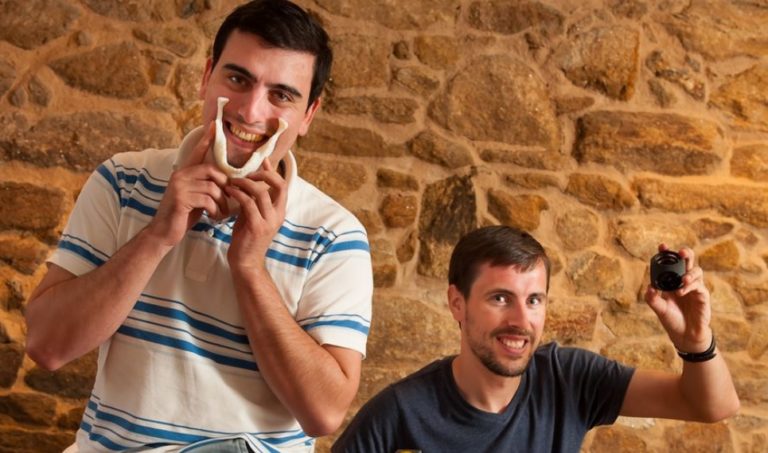
3D printing is one of the innovative and future growing sectors in the world. The possibility of synthesizing a 3D object in which successive layers of material are formed under computer control to create the object per se is nowadays a reality and beneficial for a number of companies within different scopes.
In Galicia there are several projects in motion focused on the 3D printing industry. One of them is Lupeon, a company whose driving force is Adrián Sánchez and Luis Mandayo, 2 relatives from Ordes and with expertise in the manufacturing of components and bits and pieces using 3D printing or AM.
Lupeon began in November of 2012. After having completed his degree in Industrial Engineering in Vigo together with Adrián, Luis also finalized his degree project in Viena, where he learned first hand about interesting 3D printing. Upon his return to Galicia, both cousins made the decision to kickstart their own project and by April of 2013 incorporated the company.
“We ve been working closely with a great number of industries such as those of automotive, aeronautics, construction and the medical sciences”, says Adrián Sánchez.
And as they tell us on their website, in Lupeon they offer the posibility to manufacture a wide range of objects from pulling a low cost simple prototype or model to a high resolution object close to the quality and similarities of a top end product.
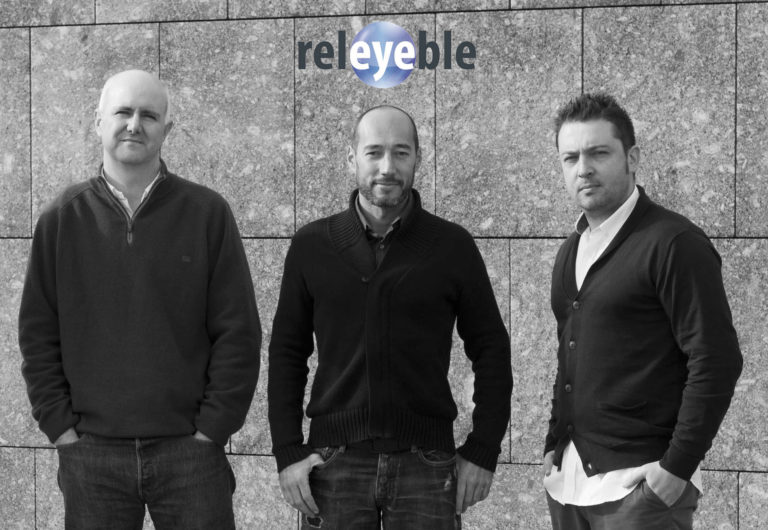
The saying is that the face is the mirror of the mind. Well known by the board of Releyeble, a company from Vigo which made the choice to base their business model off the analysis of facial emotions of clients and people alike who do generally window shopping and check the infomercial on giant led tv screens of the shopping centers around the country.
“We manufacture products which recognize, understand and interact with people”, explains Elisardo González, CEO of Releyeble. “We turn every single camera into a intelligent sensor with face recognition capabilities. This is the way we asses every person features including their gender, age, physical appearance, attentions and emotions (sadness, surprise, disgust, angst, fear and happiness) so as to cross check their reactions against the informercials they’re watching or the store windows theyre looking at”.
Via image processing techniques which identify difference facial points one may get what we call an ‘anonymous client X-Ray‘. This allows us to identify target audience, that helps companies to target products and people depending upon how visually attractive an offer can be for people .
Releyeble is a spin-off from the university of Vigo, Spain, one of the main driving forces behind this project, José Luis Alba who works as a professor at the college department of Telecommunications.
Who benefits from this technology? Elisardo González aims at two main niche markets. On one side, the digital billboard industry, in which companies can assess their advertising impact and also develop an efficient interaction with their target audience. Within this field, Releyeble already works on a daily basis with company’s such as Poster Digital.
On another side, there’s a whole new world out there based on neuromarketing, which is linked to the audiovisual industry where advertisers can assess people reactions to video ad campaigns and pre-viewings. Companies like Sociograph are part of Releyeble’s clients portfolio now
At the beginning of this decade, the Belgian economist Gunter Pauli published “A Blue Economy,” a book which deals with the recycling of waste residues as a new source of energy. Due to this book, the Vigo company Resetea came into being. A company, which trades with diverse products, based on the premise of reutilizing coffee grounds, dregs and other residues.
Besides their star product, the oyster mushroom self harvest kit, Resetea placed in the market in cooperation with Vacaloura beer breweries, Edulis Beer , a wild drink inspired by the Belgian beer tradition. The Edulis beer blends in barkey malt, rye and spelt, which gives a sweet and savory kick with a dry spicy ending flavor. But at the very end of the tasting, one can appreciate the earthiness flavor of the mushroom boletus Edulis , that’s the reason of the naming of the beer. It is one of the most appreciated fungi taste and texture in the world of Galician cuisine.
Edulis is one of the most remarkable projects of Resetea, incorporated by their creators Iñaki Mielgo (CEO), Cristian Suárez (CCO) and Luis López (CMO).
José Rodríguez, Pablo Otero and Enrique Comesaña met at the Physics Department in the University of Santiago de Compostela. Just when they were completing their Ph D’s, they began to develop a business model, which was linked to the caring for the environment and saving energy. They were worried about the skyrocketing electricity bill payments and started looking at the possible cut downs on energy consumption in many households, so they decided to develop this concept of saving money and energy and turn it into a reality.
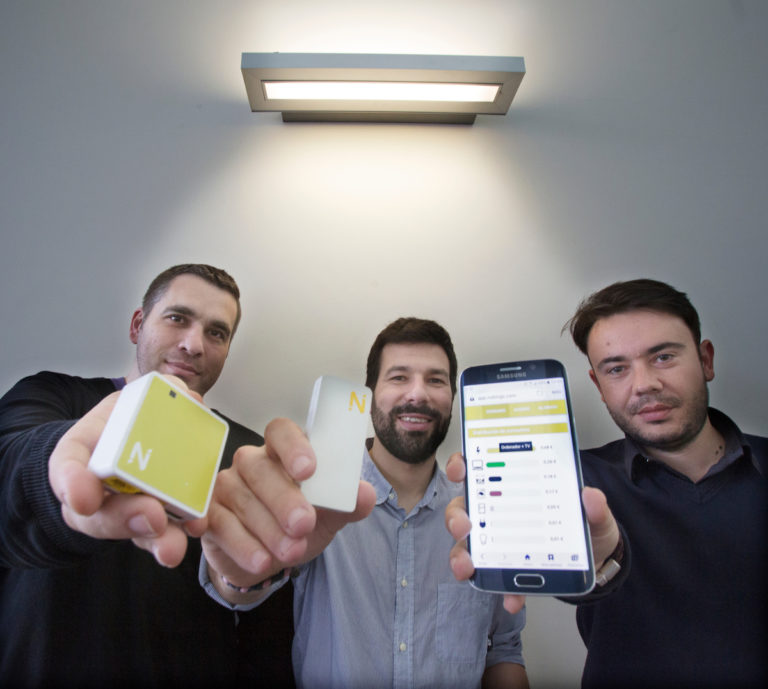
“At that moment in time there wasn’t any practical ideas about energy and money savers at home”, recalls José Rodríguez, now the CEO of NUbINGS, an app, developed by these 3 young entrepreneurs from Galicia, which gives away Tips on Saving Money and Energy at Home. “Cutting down about 20% of your bills is very simple”, asserts José. So, any household can save up to an average of 300 euros yearly.
Las pinzas amperimétricas controlan el consumo de cada circuito de la vivienda.
NUbINGS consists of 2 tools: a gadget and an app. The gadget (a device with an Amperimetric Clamp) is placed in the home mains switchboard and it will read separately each circuitry (general consumption, lighting, washer, dishwasher, fridge, etc.). Afterwards, the readings are sent digitally via the internet to our cloud and anyone can access it via a mobile device.
What makes NUbINGS different and practical is the tips and recommendations about saving money and energy for every single and particular household according to its specs and features. A perfect example of how our system works is for everyone to see at a model household we run in the outskirts of Santiago, Galicia. You can check-The before and after- of their system and app, how it really works and how people can benefit from it. “We had, for instance, a fridge which was wasting over 240 euros on electric bills a year. We replaced it for a new fridge with a classification A+++, which spends only about 35 euros a year.The purchase is worth the money since it pays off in only 3 years ”, says Rodríguez.
Moreover, José (CEO), Pablo (COO) and Enrique (CTO), the team of NUbINGS has 2 employees in the development department and another 2 people in charge of communication and marketing. The project got a kickstart from ViaGalicia, in which they were the finalist in 2015, working for the accelarator of Porto do Molle, in Nigrán.
Utilizamos cookies para asegurar que damos a mellor experiencia ao usuario no noso sitio web. Se continúa utilizando este sitio asumiremos que está de acordo.